








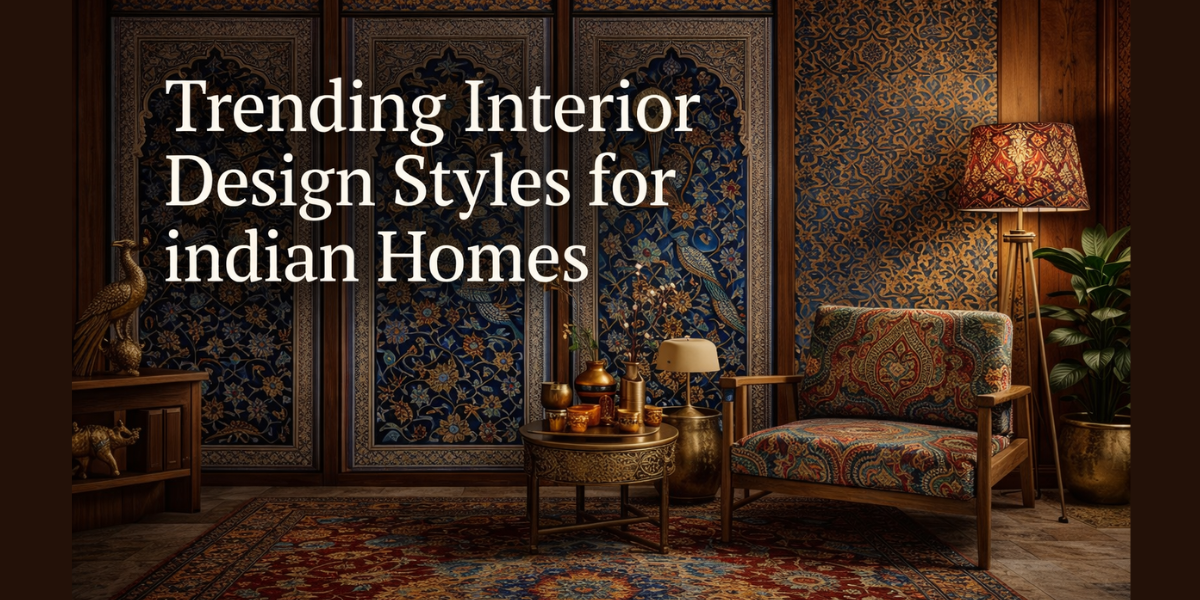
Minimalism, biophilic, maximalism, artisanal, dopamine, industrial, and Scandinavian are among the most popular interior design styles that are shaping Indian homes today.
Interior design styles were once seen as something reserved for high-end residencies and premium commercial places. Today, it has found its way into everyday Indian homes, not just for aesthetics but for creating spaces that are sustainable, comfortable, and deeply personal.
It’s time to move on from conventional, one-size-fits-all decor style and explore styles that reflect how you live and what you enjoy.
So, let’s explore the latest interior design trends buzzing in India right now, along with insights and guidance from Magidecor’s experts.
Why Choosing the Right Interior Design Style Matters?
Choosing the right interior design for your home has the following benefits:
- Tailored to Your Lifestyle: Whether you choose minimalist or traditional, the right style caters to your daily habits, storage capacity, and lifestyle.
- Makes Maintenance Manageable: Some styles demand more upkeep than others. Therefore, choosing one that matches your routine ensures your home stays neat without constant effort.
- Reflects Personal Expression: Your home should feel and reflect you and your interests. The right interior design brings out your personality and preferences.
- Improves Your Mood and Comfort: Depending on the style you choose, the colour, textures, and layouts will influence your overall well-being and provide you comfort in the long run.
Why Interior Design Trends Are Changing in India
Interior trends in India are rapidly changing because of:
- Growing Awareness: Many homeowners are now influenced by social media and home decor platforms, urging them to perceive interior design.
- Changing Lifestyle: Now working professionals are looking for homes that accommodate their busy lifestyle as well as for remote professionals looking for functional furniture and flexible zone layouts.
- Urbanisation and Space Constraints: With more people moving to cities, living spaces have become smaller and more compact, requiring multi-functional and smarter layouts.
- Sustainability: There is a growing demand for eco-friendly and natural materials to promote healthier and more sustainable living environments.
What’s Driving the Shift in Interior Designs Lately?
Here are the forces currently shaping 2026 interior trends:
- Biophilic Design: Bringing the outdoors in to promote health, healing, and comfort is influencing choices rapidly, from materials to airflow.
- Sustainability and Craftsmanship: There is a growing emphasis on eco-friendly materials, upcycled furniture, and artisanal craftsmanship that age well.
- Warmth and Tactility: After years of stark white design, homes are now embracing back layered textures, rich lighting, and richer colour palettes.
- Smart Homes and Flexible Layouts: Interiors are now adapting to multipurpose furniture, smart lighting, and flexible layouts that handle work, leisure, and socialising.
Top Interior Design Styles Trending in India 2026
Here are some interior design styles trending in Indian homes in 2026:
-
Minimalism
Minimalist interior styles are growing popular in Indian homes due to space constrictions and busy lifestyles.
Key Characteristics: Clean lines, uncluttered spaces, multifunctional storage, neutral colour palette, natural lighting, and open layout.
Perfect For: Small apartments, working professionals who value organised space, cost-effective decor, and limited space and storage.
-
Biophilic
Biophilic interior designs allow homeowners to bring in the beauty and healing benefits of nature indoors.
Key Characteristics: Incorporating indoor plants, vertical gardens, natural lighting, ventilation, earthy colour palettes, and natural materials and textures.
Perfect For: Residential homes, modern offices, educational and healthcare environments, wellness-focused spaces, and eco-conscious individuals.
-
Maximalism
Maximalism allows you to embrace abundance, celebrating use of bold colours, diverse patterns, and layered textures to create lived-in and personalised spaces.
Key Characteristics: ‘More is more’ philosophy, bold and vibrant colours, mixed patterns, luxurious textures, abundant decor, and personalisation.
Perfect For: Individuals who are creative and artistic, spaces curating extensive collections, cosy entertainment spaces, and personality-driven homes.
-
Artisanal
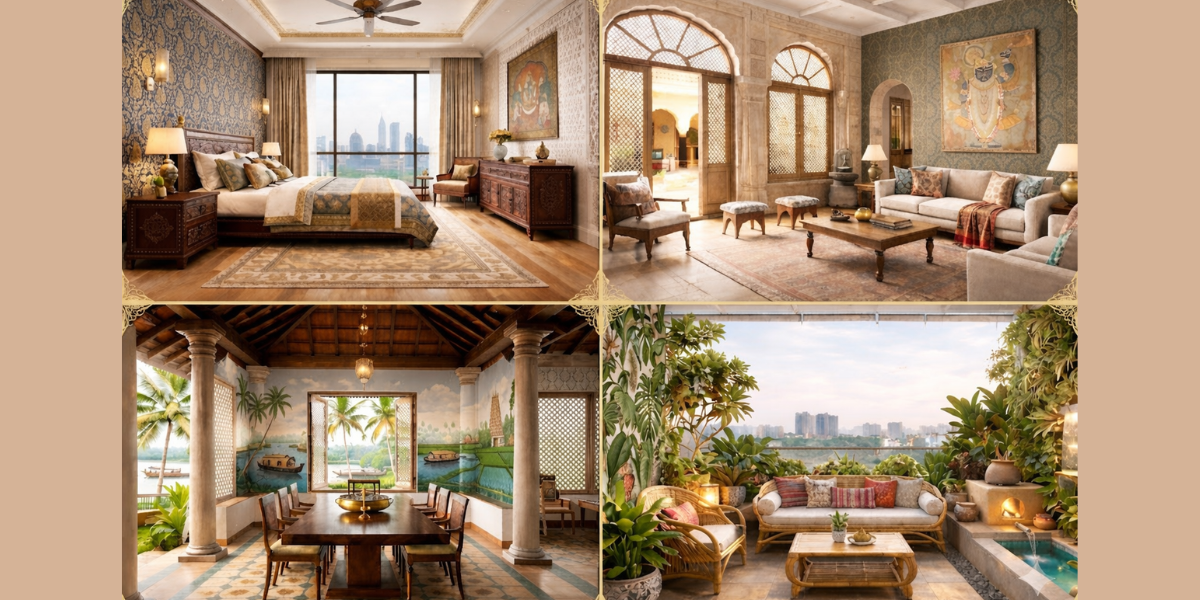
Traditional Indian interior design has always maintained its cultural essence. It blends centuries-old craftsmanship, cultural heritage, and natural materials.
Key Characteristics: Rich jewel tones, handwoven textiles, folk art, solid wood, intricate detailing (jali work), and handcrafted metal pieces and clay work.
Perfect For: Traditional, sustainable homes, slow living enthusiasts, collectors, bespoke homes, and cosy and vibrant living spaces.
-
Dopamine
The dopamine decor trend encourages decorating spaces for your own happiness and joy. Instead of focusing on trends or resale value, it prioritises emotional and psychological well-being.
Key Characteristics: Vibrant and energetic colour palette, maximalist layering, playful and eccentric accents, personal and nostalgic objects, and tactile textures.
Perfect For: Small spaces, rental homes, maximalist enthusiasts, creative and nostalgic individuals, and those desiring a happy and colourful home.
-
Scandinavian
Scandinavian is a minimal, functional, and warm interior design that focuses on simplicity, natural light, and warmth.
Key Characteristics: Neutral colour palette, natural materials, multifunctional furniture, hygge, and maximising light.
Perfect For: Small apartments, dark spaces, minimalists, nature and light lovers, comfort seekers, and for open-plan living.
-
Industrial
Inspired by industrial buildings and elements like exposed bricks and metal, industrial interior style that give a rugged and “unfinished” aesthetic to spaces.
Key Characteristics: Exposed structural elements, raw building materials, neutral and earthy colour palette, repurposed furniture, and lighting and metal accents.
Perfect For: Individuals who love modern and functional aesthetics, open-plan layouts, lofts, urban dwellers, and DIY and vintage collectors.
Interior Design Styles Comparison Table
Here’s a comparison table on all the trendy interior design styles:
| Interior Style | Key Elements | Colour Palette | Overall Vibe |
| Minimalist | Simple furniture, natural light, and very few accessories | Monochromatic, light wood, and neutrals | “Less is more” and clean |
| Modern | Low furniture, statement pieces, and straight lines | Neutral with bold accents, glass, and metal | Polished and sleek |
| Scandinavian | Functional furniture, cosy textures, and natural light | Light, grey, and wood tones | Minimal, cosy, and airy |
| Contemporary | Bold lighting, unique forms, and mixed textures | Mix of neutrals and current accent colours | Trendy and experimental |
| Bohemian | Plants, textiles, rattan, and prints | Vibrant colours and earthy tones | Artsy and playful |
| Traditional | Carved decor, ethnic art, wooden furniture, and jaali details | Deep jewel tones and wood | Cultural, warm, and rooted |
| Industrial | Exposed brick, metal, stone, and rough wood | Neutral, dark tones, and metallic | Rugged, raw, and undefined |
| Mid-Century Modern | Low seating, vintage-style lighting, and tapered legs | Muted greens and oranges and warm wood | Retro, timeless, and stylish |
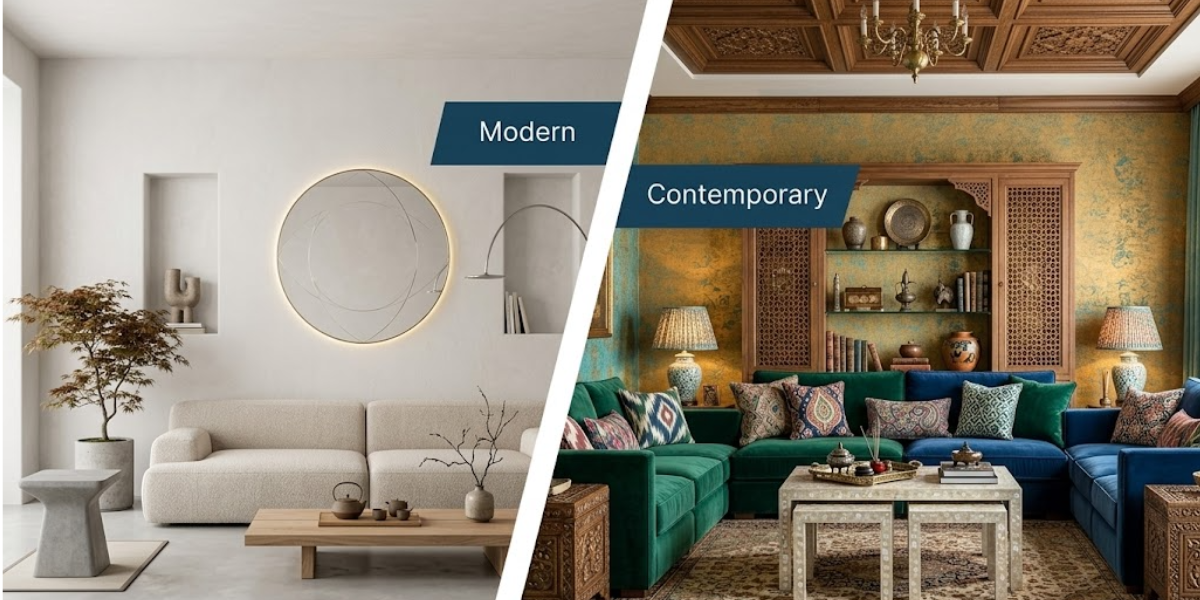
Modern vs Contemporary Interiors: Key Differences
Many homeowners are often confused between modern and contemporary interior styles. Therefore, our experts will straighten out misunderstandings so you can tell them apart:
| Aspect | Modern | Contemporary |
| Age | Early 1900s to 1960s (Mid-Century) | Late 1900s and still ongoing |
| Key Material | Leather, dark or cherry woods, chrome, acrylic, and concrete | Light wood, eco-friendly and recycled glass, wood, and plastic |
| Architecture | Strong, clean, and rigid lines | Fluid forms, softer edges, curves, and eclectic shapes |
| Comfort | Stricker | More comforting and welcoming |
| Colour Palette | Neutral and warm tones | High-contrast palette |
| When to Choose | If you prefer a classic and timeless aesthetic | If you floor current trends and innovative materials |
How to Choose the Right Interior Design Style in 2026?
If you want to find the right interior style for your home, there are some key steps and filters that help narrow down your choice:
- Assess Your Lifestyle: Your lifestyle is one of the deciding factors of the right interior design. Do you work from home, are you a busy person or an organised one, or do you have pets and children?
- Evaluate Light and Room Scale: Consider the architectural bones in your home, such as room size, natural light, and structural features.
- Gather Inspiration: If you already have an aesthetic in mind, gather inspiration from magazines or places you visit to bring your vision to fruition.
- Talk to a Designer You Trust: If you find it difficult to narrow down a choice, sit with a trusted designer and walk them through your plan, rooms, and budget.
- Start with Key Pieces: Once you have a rough idea of the style you’re going for, pick one or two key pieces (sofa), and build the rest around them.
- Think Long Term, Not Just Trends: Last by not least, choose timeless base finishes and let trends come in through cushions, curtains, and art.
Which Interior Style is Easy to Maintain in Indian Homes?
Based on your lifestyle, space, and time for upkeep, here are some suitable interior styles for Indian homes:
| Interior Style | Maintenance Complexity | Best for Indian Homes | Why it Works |
| Modern | Low | Urban apartments and busy working professionals | Clutter-free layouts and easy to clean |
| Contemporary | Medium | Style conscious homeowners with some time for upkeep | Trendy elements look great but may need regular care |
| Traditional Indian Style | High | Larger homes for joint families | Demands more time and effort to maintain |
| Biophilic | Medium | Professionals who enjoy a touch of nature | Watering and pruning requires effort and care |
| Minimalist | Very Low | Small urban homes | Stress-free due to fewer items |
Interior Design Styles by Budget
Here’s the budget for various interior design styles in the Indian market:
| Interior Style | Budget (Full House) | Major Costs |
| Minimalist | ₹5k- ₹2 lakh | Furniture and basic decor |
| Modern | ₹1 lakh- ₹4 lakh | Modular furniture, storage, and wall decor |
| Contemporary | ₹2 lakh- ₹6 lakh | Statement decor, lighting, mixed materials |
| Traditional | ₹10k- ₹1 lakh | Wooden furniture, Indian textiles, artisanal handicrafts |
| Industrial | ₹1 lakh- ₹5 lakh | Metal fixed, wall treatments and lighting |
| Scandinavian | ₹1 lakh- ₹4 lakh | Multipurpose furniture, soft furnights, and wall decor |
| Bohemian | ₹80k- ₹3 lakh | Handmade pieces, custom furniture, and premium textiles |
How Wallpaper Complements Each Interior Style
Learn which wallpaper designs complement various interior styles:
1. Minimalism
To complement your clean and minimal interiors, choose wallpapers with subtle geometric shapes, monochromatic designs, or minimal textured wallpapers. They give your walls a visual interest without looking busy.
2. Scandinavian
To enhance the bright, simple, and functional aesthetic of Scandinavian interiors, opt for nature-inspired prints, minimal geometric designs, or watercoloured-landscape paintings.
3. Contemporary
From abstract prints and floral designs to 3D effect and artistic murals, there are a range of wallpaper designs that suit contemporary interiors, providing a fluid, and happy vibe.
4. Traditional
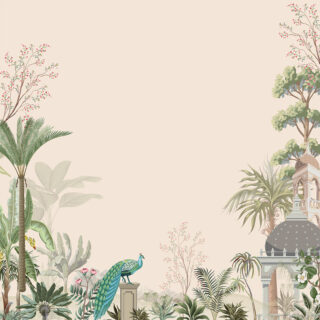
Traditional homes benefit from damask, toile de jouy, chinoiserie, floral patterns, and paisley wallpaper designs. For Indian traditional homes, folk-art inspired designs, Mughal arches, and Pichwai offer a warm and welcoming vibe.
5. Industrial
Faux finishes like brick, marble, stone, or distressed wood complement industrial interiors wonderfully. It introduces a rugged and unfinished look that gives your space a ‘city’ feel.
6. Bohemian
If you’re free-spirited and so are your interiors, select designs with abstract designs, Warli art, artistic murals, or lush botanical prints. These add personality and infuse your home with vibrancy and individuality.
7. Luxury Interiors
For a high-end, sophisticated interior, choose wallpapers with metallic accents and shiny finishes. Designs like marble-effect with metallic accents or Art Decor add a luxurious touch to a space.
Common Mistakes When Choosing Interior Styles
-
Mixing Too Many Interior Styles
Mix way too many interior styles in one room and the result is a chaotic, disjointed atmosphere. Select one dominant style and use other styles sparingly as accents.
-
Following Trends Blindly
Do not style furniture and decor just because a trend said so. Use one interior style as the base and let your trendy pieces (cushions, artwork) be changeable.
-
Overdecorating Small Spaces
Do not fill one corner with every piece of decor and furniture you get your hands on. Use the space wisely, plan for vertical storage, and leave some empty space for the eye to rest and breathe.
-
Prioritising Looks Over Function
Buying an uncomfortable sofa just because it looks good or buying a furniture piece with no storage for minimal spaces. Always align your furniture needs with your lifestyle and comfort.
Home Decor Trends to Bring in Your Space
Here are some distinct home decor trends entering Indian interiors in 2026:
- Fusion of Traditional Crafts and Contemporary Design: Vintage Indian textiles, handicrafts, folk art forms, and artisanal furniture can be paired with modern interiors for best of both worlds.
- Earthy Colour Palette: Let’s move from sterile whites and greys to muted terracottas, warm browns, and muted greens.
- Biophilic Design: In cities and urban homes, indoor gardens, natural light, and organic materials are gaining more and more ground to improve air quality and well-being.
- Modular Interiors: As living spaces become more multifunctional in cities, smart storage, modular furniture, and adaptable zones are increasingly preferred.
- Sustainable Decor Choices: Locally sourced materials and crafts, recycled materials, and eco-friendly decor are more appreciated among eco-conscious Indian homeowners.
Find a Style That Feels Right for You and Your Home
Whether you’re redesigning your entire home or simply rethinking a style for a particular room, the choices you make will surely transform your space and you.
With so many interior design styles to explore, the key is to choose one that fits your lifestyle, supports your comfort, and reflects your personality in the most natural way.
FAQs
- Which interior style is best for Indian homes?
Minimalist, modern, and traditional, are most practical for urban Indian homes due to space efficiency and ease of maintenance.
- Which interior design style is the easiest to maintain?
Minimalist and modern interior style is the easiest to maintain because they avoid excessive decorative elements which makes cleaning easier.
- What are some budget-friendly ways to achieve a specific interior design?
You can achieve a specific interior design on a budget by shopping second-hand, upcycling old furniture, playing with DIY ideas, and focusing on lighting and colours.
- Can I mix different interior styles?
Yes, you can mix different interior styles as long as it’s carefully executed. Select one dominant style and use other styles sparingly as accents for a harmonious look.








 Material Preview
 Digital Snapshot
 Design Selection
