









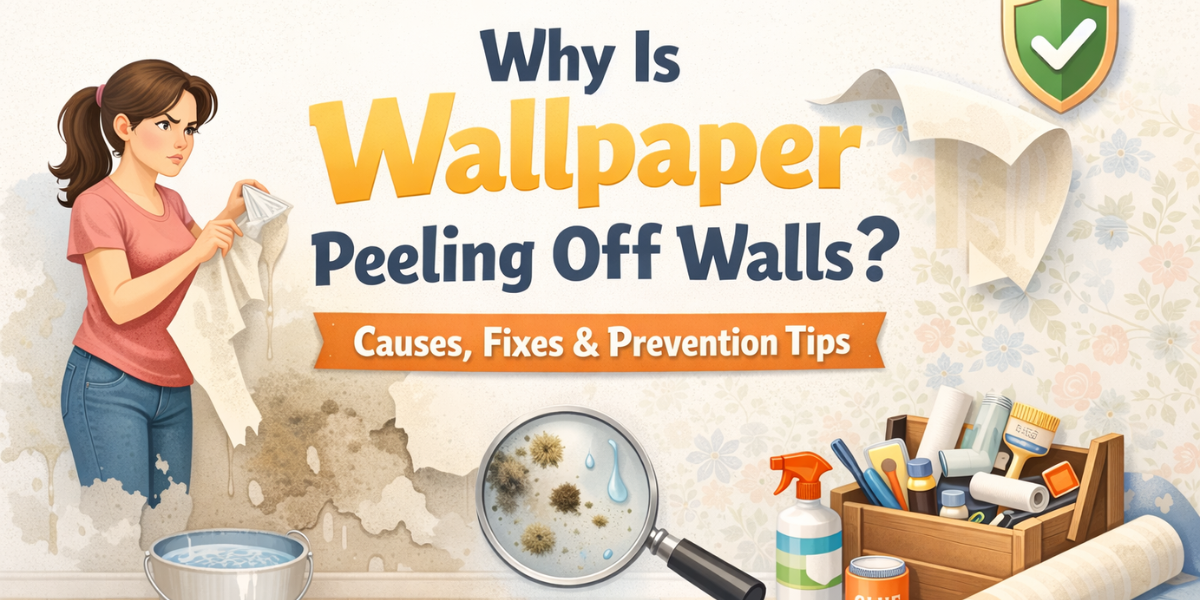
Wallpaper peeling is a common and frustrating issue in many homes, especially in Indian households where walls are constantly exposed to heat, humidity, and seasonal changes. What starts as a small curled edge or a tiny bubble can quickly ruin the entire look of a room if left unaddressed.
In most cases, wallpaper does not peel without reason. The problem usually stems from one of more of the following factors:
- Moisture and humidity
- Poor wall preparation
- Wrong adhesive
- Low-quality wallpaper materials or installation
Understanding these common causes is the first step toward fixing the peeling problem. Read this blog to know the warning signs, repair methods, and preventive measures to ensure your wallpaper remains intact.
Shop Wallpapers That Don’t Peel in Indian Weather
Understanding Wallpaper and Indian Wall Conditions
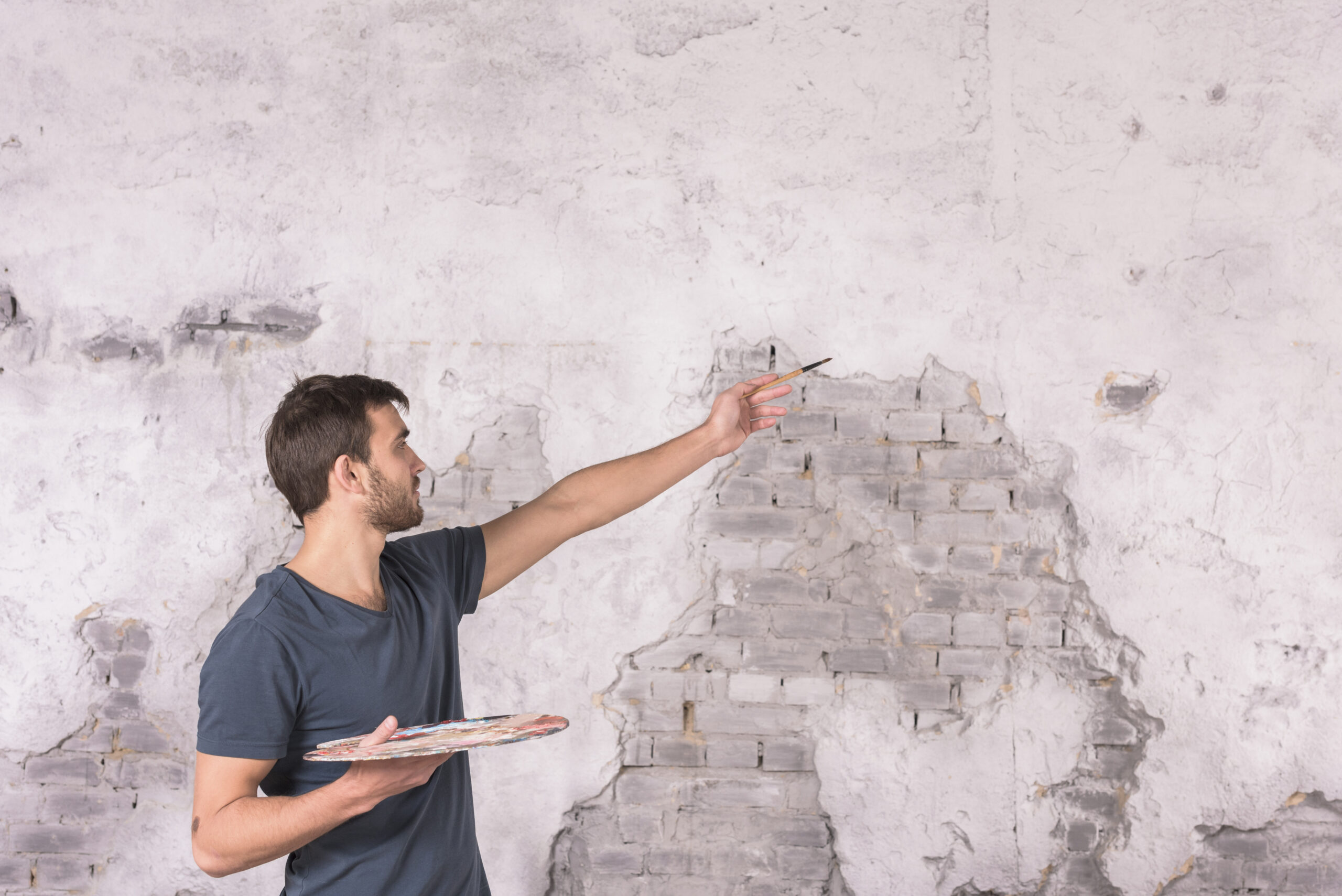
Indian walls and weather conditions play a major role in wallpaper performance, making proper material and adhesive selection critical as:
1. Typical Wall Surfaces
The walls in every Indian household vary drastically. From cement plastered and putty-finished walls to painted surfaces and damp-prone walls, wall surfaces in India differ due to construction practices and materials.
2. Indian Climate
India’s diverse climate also presents unique challenges for wallpaper performance. High humidity in coastal areas, extreme heat and cold in northern and central regions, monsoon season, and poor ventilation in many households.
Early Warning Signs of Wallpaper Damage
Recognising early signs of wallpaper damage can help prevent costly repairs and replacement. Paying attention to these warning signs helps you take action on time before it worsens:
1. Corners Curling
When wallpaper corners start curling or lifting away from the wall, it often indicates that the adhesive has weakened or exposure to lots of humidity.
2. Bubbles Forming Under the Wallpaper
Air or moisture trapped behind the wallpaper can create visible bubbles, signaling poor adhesion or underlying dampness.
3. Damp Patches
Dark patches on wallpaper usually point to moisture seepage, which can damage both the wallpaper and the wall beneath. If not treated soon, the entire wall along with the wallpaper will deteriorate.
4. Musty Smell Behind Wallpaper
A persistent musty odour emitting from your wallpaper is a warning sign of trapped moisture or mould growth, even if visible damage is not to be seen.
Check Which Wallpaper Works Best for Your Wall Type
What are the Common Causes of Wallpaper Peeling off Walls?
There are a lot more reasons for wallpaper peeling than you know. Here are the most common ones:
1. Moisture and Humidity
This is one of the major causes of wallpaper peeling in Indian homes. Wall seepage from bathrooms, kitchens, external walls, ceilings trap, and even monsoon humidity trap water behind the wallpaper, weakening the adhesive.
2. Poor Wall Preparation
If the wall surface isn’t properly cleaned, smoothed, or primed before wallpapering, it is bound to cause problems. Wallpaper needs a smooth, clean surface to properly adhere to the wall and flaky, unprimed walls break the adhesive bond.
3. Applying the Wrong Adhesive
Not all glue works the same. If you don’t use the manufacturer’s recommended paste or use a low-quality, diluted one, the wallpaper will simply not hold up to the wall. This will eventually result in early peeling of the wallpaper.
4. Wallpaper Material Quality
Even with proper wall preparation and correct installation, low-quality wallpaper can still fail. They are thin, fragile that tear off easily and lack resistance to India’s heat and humidity, causing poor adhesion and eventual peeling over time.
5. Poor Installation
Rushed or improper installation is also one the major cause of wallpaper peeling. Using incorrect or insufficient adhesive, trapping air bubbles, or rushing the process can cause the wallpaper to curl or peel prematurely.
6. Heat and Sun Exposure
In Indian homes, prolonged exposure to intense heat and direct sunlight can dry out the wallpaper adhesive. Walls facing strong sun, especially during summers, cause the glue to weaken, resulting in loosening of the seams.
How to Fix Peeling Wallpaper: Step-by-Step Guide
If your wallpaper is curling at the edges, fret not. We will provide a step-by-step measures on how to fix your peeling wallpaper that not only improves its appearance but also helps prevent the problem from recurring:
Step 1: Check the Size and Location of the Damage
First, inspect the peeling area to determine how far it has spread and whether it is limited to edges, corners, or larger sections.
Step 2: Clean Behind the Wallpaper
Next, gently lift the loose wallpaper and clean away dust, dirt, or old adhesive from both the wall and the back of the wallpaper.
Step 3: Repair the Surface if Damaged
Fix cracks, uneven patches, or damp spots on the wall. Allow the surface to dry completely before proceeding.
Note: If the wall condition is very bad or mouldy, you will have to remove the entire wallpaper and treat the wall first before reapplying it again.
Step 4: Apply Wallpaper Adhesive
Apply the adhesive recommended by the brand or manufacturer as it is more suitable to the wallpaper material you purchased. Apply the paste evenly to the wall or the back of the wallpaper.
Step 5: Press Down the Wallpaper Back in Place
Carefully position the wallpaper and press it firmly onto the wall, starting from one side to the other. Press the area gently with a clean cloth or a seam roller and make sure to wipe off excess glue.
Step 6: Smoothen Out Bubbles
Use a smoothing tool to remove trapped air and ensure the wallpaper has properly and securely adhered to the wall, especially the edges.
Step 7: Let it Dry
Once you complete these steps, allow sufficient drying time and avoid touching or pulling the repaired area until the adhesive has fully dried and set.
Preventive Measures to Stop Wallpaper From Peeling in the Future
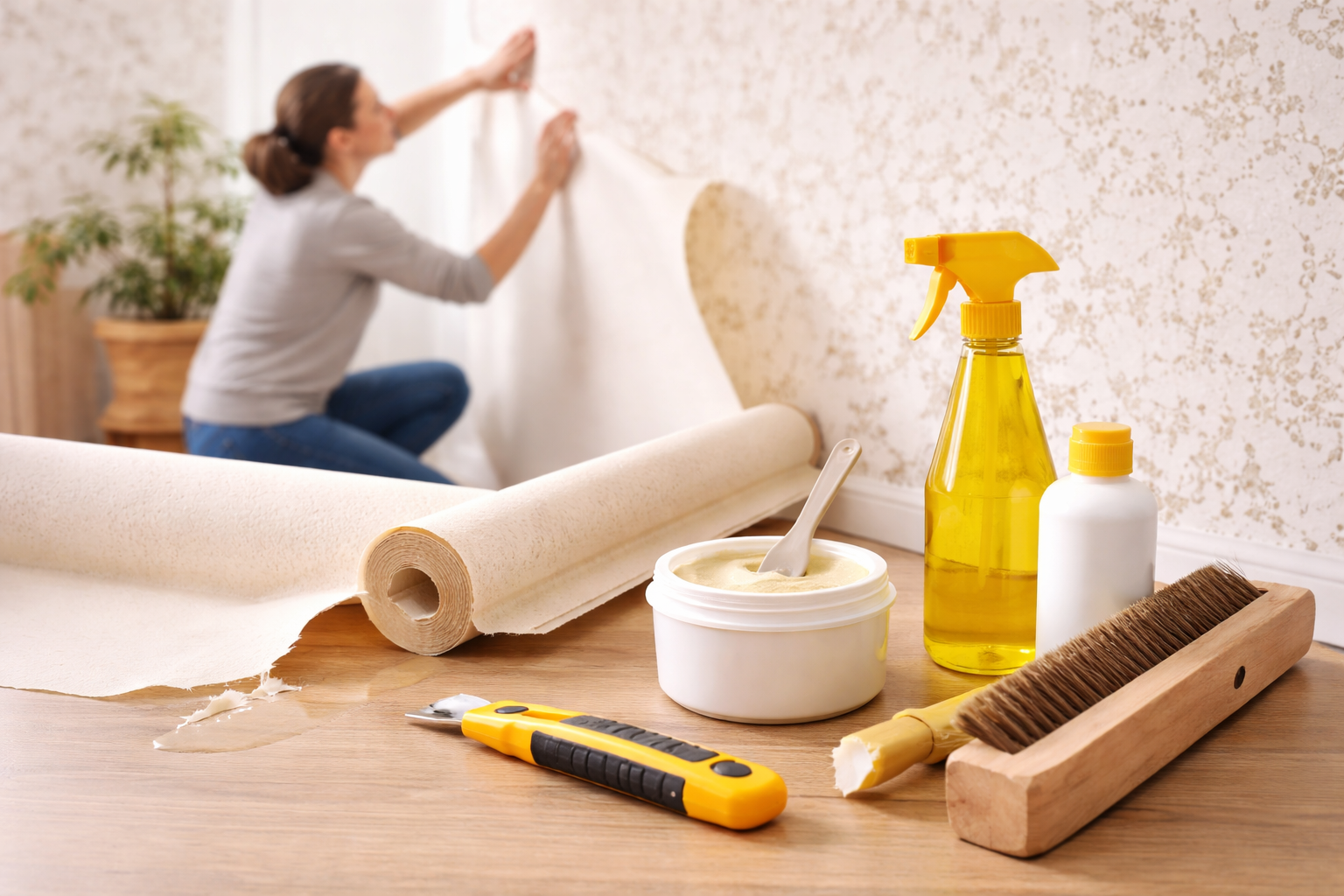
Prevent unnecessary mistakes and expenses by paying attention to these preventive measures:
1. Prepare the Wall Surface Correctly
The first and foremost step is to prepare the wall surface thoroughly and correctly. Ensure the wall surface is clean, smooth, and evened well, allowing the adhesive to grip the wall well.
2. Use the Right Wallpaper Paste
Match the glue to the wallpaper type (non-woven, vinyl, fabric) or follow the manufacturer’s recommended brand of adhesive. Apply the glue on the wall or the back of the adhesive, as per instructions, and stick it firmly.
3. Control Moisture and Humidity in the Room
If you’re installing wallpaper in a room where moisture and humidity are constant, then you need to control it by making sure there is proper ventilation, exhaust fans, or a dehumidifier.
4. Ensure Proper Installation Techniques
Your wallpaper should be installed carefully without rushing the process. Applying even pressure, sealing edges correctly, and removing air bubbles during installation are essential for long-lasting results.
5. Avoid Direct Heat and Sunlight
Protect the wallpaper from intense or direct sunlight by using curtains or blinds on sun-facing walls. Avoid installing the wallpaper near cooking areas or heat-emitting appliances. If you are, use heat-resistance wallpaper material.
6. Clean Gently
Clean the wallpaper using a soft cloth or sponge and mild cleaning solution. Avoid harsh chemicals or scrubbing thoroughly, which can damage both the wallpaper and the visual appearance.
Choosing the Right Wallpaper for Indian Homes

Considering India’s ever-changing climate and diverse living conditions, choosing the right wallpaper plays a crucial role in its durability and performance. Here’s how to to do:
1. Consider the Climate of Your Region
Choose a wallpaper material that can withstand your region’s weather conditions, especially in regions with intense summers or heavy monsoons. In these cases, non-woven and vinyl-based wallpapers are the most suitable.
2. Select High-Quality Wallpapers
As mentioned above, vinyl and non-woven wallpapers are more durable and adhere better than low-grade quality and paper-based options that are more likely to peel and humid conditions.
3. Select Wallpapers Based on Room Usage
Choose luxurious-looking and breathable wallpapers for bedrooms and living rooms, while washable and heat-resistant options for kitchens and bathrooms.
4. Check for Moisture-Resistant Characteristics
If you’re planning to install a wallpaper in your kitchen or bathroom, then you should opt for moisture-resistant options that prevent your wallpaper from damaging soon after constant exposure to liquids.
5. Choose Trusted Brands
Always buy wallpapers from reputed brands like Magicdecor, who design wallpapers for Indian homes, ensuring better longevity, high durability and performance.
Maintenance and Long-Term Care of the Wallpaper
Regular maintenance and proper care are crucial to keep your wallpaper looking fresh and firmly in place for years. Here are some of our suggested tips:
- Clean Regularly: With the continuous pollution in air, we cannot help the dust buildup in our house. But we can remove dust from our wallpaper regularly using a soft microfibre.
- Inspect Walls Periodically: Check the wallpaper edges, seams, and wall condition every few months to check early signs of peeling, bubbling, or damp patches.
- Control Indoor Humidity: Ensure proper ventilation in the rooms by opening windows daily and using exhaust fans or dehumidifiers during the monsoon season.
- Avoid Frequent Washing: Excessive scrubbing can damage the wallpaper surface and loosen its grip on the wall over time.
When Should You Seek Professional Wallpaper Installation?
While minor wallpaper repairs can be done at home, certain situations require professional help. Here are some cases where you must seek professional installation expertise:
- Large or Extensive Walls: If you’re wallpapering a large wall, then you must seek professional help as they are better equipped to handle full-wall or complex wallpaper installation.
- Persistent Peeling: If your wallpaper keeps peeling despite repairs, professional help can identify underlying issues like improper wall preparation and fix it.
- Uneven or Damaged Wall Surfaces: Professional can properly prepare cracked, uneven, or old, cakey walls to ensure long-lasting adhesion.
- Lack of Proper Tools or Experience: If you don’t want the hassle of purchasing multiple tools for installation or aren’t a DIY enthusiast, you can hire a professional and reduce the risk of costly mistakes.
Keep Your Wallpapers Looking Their Best, Peeling or Not
Peeling wallpaper can be annoying, but it’s rarely a mystery once you know what to look for. In Indian homes, factors like heat, wall condition, weather, and installation quality play a much bigger role than we realise.
The good news is that with the right wallpaper, proper wall preparation, and a little ongoing care, peeling is completely avoidable. We hope this blog was informative enough to help you understand the causes, fixes, and prevention tips to wallpaper peeling.
FAQs
- Why does wallpaper peel in humid rooms?
High humidity weakens wallpaper adhesive by introducing moisture between the wall and the wallpaper. In humid rooms, the glue loses its grip over time, causing edges to peel or bubble.
- Can peeling wallpaper be fixed without removing it?
Absolutely! Minor peeling at edges or corners can often be fixed without removing the wallpaper. You have to clean the area first and then reapply adhesive until it firmly sticks again.
- Does wallpaper peel more in Indian summers?
Intense heat does cause the wallpaper to peel and Indian summers can accelerate this issue. Especially sun-facing walls whose adhesive dries out due to constant heat exposure.
- Which wallpaper is best for damp walls?
Moisture-resistant wallpapers, such as vinyl, are the best options for damp or moisture-prone walls.
- Is peeling a sign of wall damage?
Not always, but it can be. While peeling may be due to poor installation, weakening of glue, or material quality, persistent peeling often indicates underlying issues like dampness or seepage that need immediate attention.











 Material Preview
 Digital Snapshot
 Design Selection
