









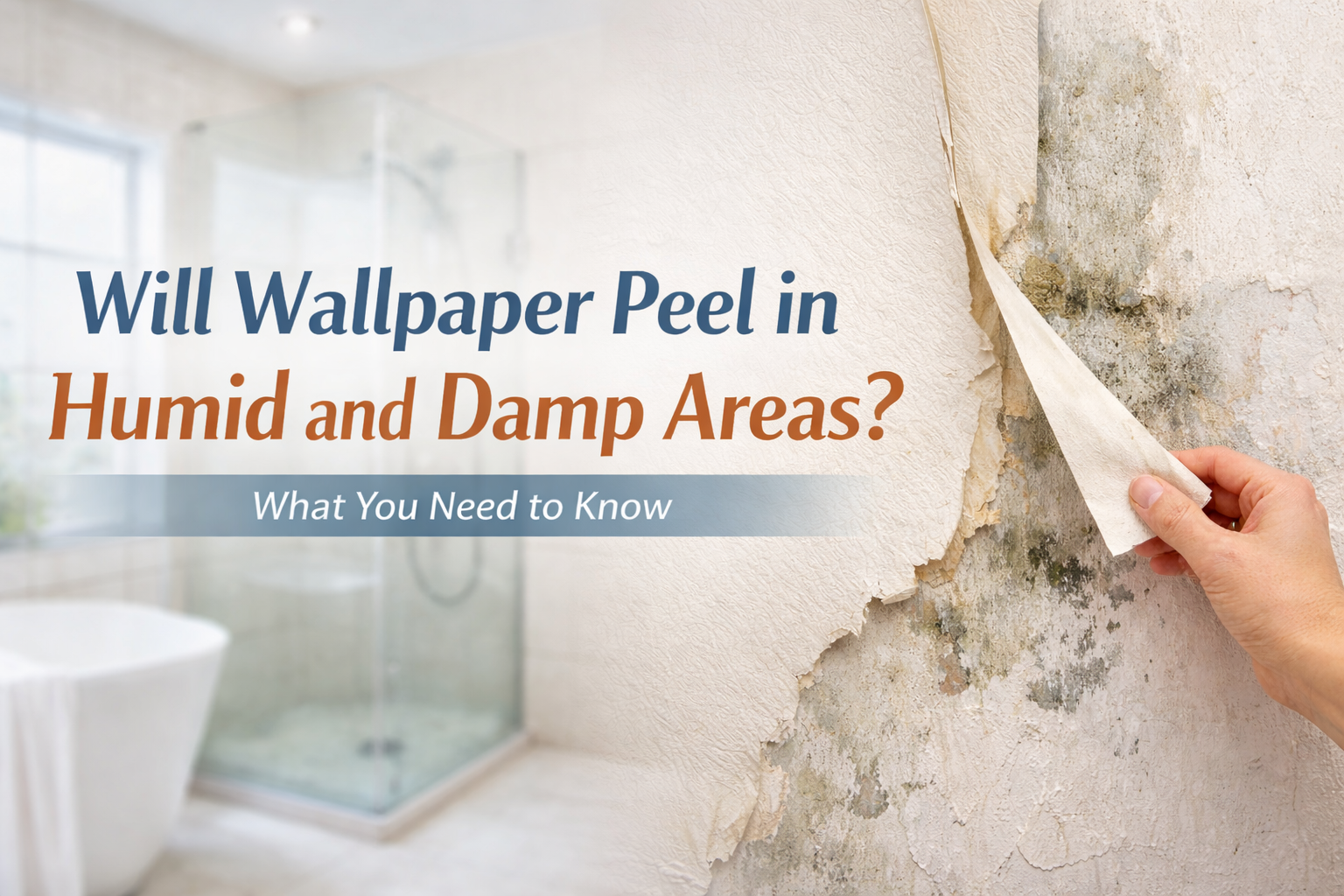
If there’s one thing stopping you from installing a stunning wallpaper in bathrooms and kitchens, it’s humidity and moisture. Most homeowners think wallpapers can handle high-humidity and moisture, when in reality, they are a threat to its durability and appearance.
Whether we like it or not, wallpaper will peel in humid and damp areas if the right steps are not taken. It can cause bubbling, peeling, adhesive weakening, and in the worst case scenario, mould growth and musty odour.
But thanks to advancements in wallpaper technology, we have wallpapers that can withstand high levels of moisture and humidity with a little care from your side. To know how to care for wallpapers in humid areas, our experts will walk you through suitable wallpaper materials, preventive steps, and maintenance tips.
Humidity vs Damp Walls: What’s the Difference?
To solve the confusion of how humidity differs from damp walls, here’s a table with a clear distinction between the two:
| Feature | Humidity | Damp Walls |
| Definition | Moisture present in the air | Moisture absorbed by the wall structure |
| Common Causes | Poor ventilation, cooking, and showers | Water seepage or plumbing issues |
| Impact on Wallpaper | Weakens adhesive and causes edge peeling | Causes instant peeling, staining, and mould growth |
| Solution | Moisture control through open windows or dehumidifiers | Treating leakage and solving plumbing issues |
Common High-Moisture Rooms
These are the common rooms in Indian homes that have high-humidity and moisture:
1. Bathroom
Bathrooms have high levels of moisture and humidity due to constant splashes of water and exposure to steam that causes the wallpaper to peel and grow mould.
2. Kitchen
Similar to bathrooms, kitchens are also exposed to water, heat, steam, and grease that can cause the wallpaper to either peel or form bubbles.
3. Laundry Room
Laundry rooms are another area that is prone to moisture and humidity. The constant humidity from washing and drying clothes can easily damage the wallpaper. In addition, these rooms typically have limited ventilation, causing mould growth.
Common Reasons Why Wallpaper Peels in Humid and Damp Areas
Your wallpaper is bound to peel and form bubbles if the following conditions are subjected to it:
1. High Humidity and Moisture
One of the most common reasons for wallpaper peeling is excessive moisture and humidity. Steamy showers, heat from cooking, and water condensation causes the adhesive to weaken.
2. Damp/ Leaking Walls
Seepage or water leaks either from plumbing problems, appliance failure, or roof damage can cause moisture to be trapped behind the wallpaper and form mould and other bacterial issues.
3. Unsuitable Wallpaper Material
Water and wallpaper are enemies: unsuitable wallpaper materials like paper absorb moisture and weaken the adhesive. Such wallpapers are not designed for moisture resistance.
4. Lack of Ventilation
In poorly ventilated bathrooms and kitchens, constant temperature changes trap moisture behind wallpaper, with no escape through windows and dehumidifiers, the adhesive fails and causes peeling.
How Humidity Affects Wallpaper Over Time?
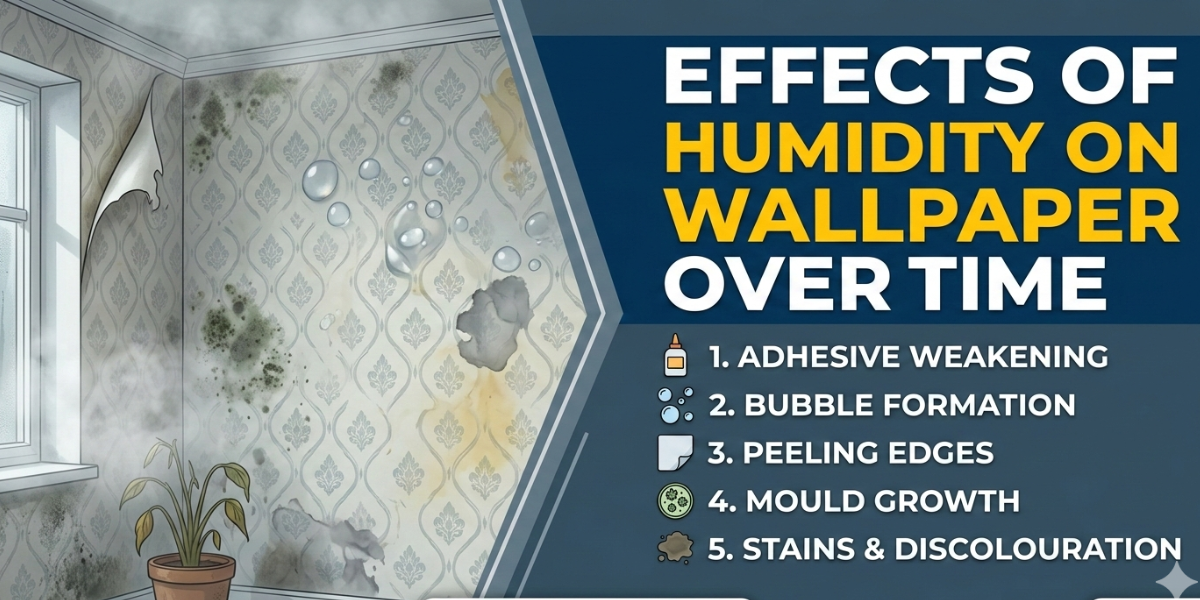
Prolonged exposure to humidity has the following effect on wallpaper:
1. Adhesive Weakening
Constant exposure to moisture and high-humidity weakens the adhesion bond between the wall and the wallpaper. Over time, with lack of ventilation, the adhesive completely weakens and causes a number of issues like peeling and bubbling.
2. Bubble Formation
Trapped moisture in the room has nowhere else to go than behind the wallpaper. If the wallpaper is not installed properly or if the adhesive has weakened, the wallpaper forms bubbles.
3. Peeling Edges
Moisture and humidity causes the wallpaper to stay damp constantly that nullifies the adhesive bond. Eventually, with lack of proper adhesion, the wallpaper starts to lift and curl.
4. Mould Growth
Prolonged humidity gives birth to mould growth and musty, foul odour that not only affects the wall condition but human health as well. If not addressed or controlled immediately, it can have adverse issues.
5. Stains and Discolouration
Humidity and moisture dampness can also lead to dark stains and wallpaper discoloration that are impossible to remove, damaging the entire visual appearance of the wallpaper.
Types of Wallpaper Materials That Work Well in Humid Areas
These two wallpaper materials are the most suitable for humid areas because:
1. Vinyl-Based
Vinyl is the most popular and smart wallpaper choice for areas with high humidity and moisture. They have a layer of protective sealant that resists water and moisture.
2. Non-Woven
Non-woven is breathable which makes it ideal for humid areas. Since the material is made up of natural and synthetic fibres, it prevents dampness, moisture from building up, and the possibility of mould growth.
How to Prepare Walls Before Installing Wallpaper in Humid Areas
To prevent early peeling or bubble formation, follow these wall preparation steps before installation:
1. Check the Wall Condition
Before finalising wallpapering in high-humidity areas like kitchens and bathrooms, first inspect the wall for any existing issues. If there are structural issues, do not proceed until the wall is repaired.
2. Evaluate the Moisture Levels
Use a hygrometer to ensure the wall is fully dry before wallpapering. Aim for under 4% humidity level to prevent trapping moisture under the wallpaper during installation.
3. Clean and Prepare the Wall
Thoroughly clean the wall off any paint chips, old glue, debris, or mould with a scraper. To clean tough stains use TSP (trisodium phosphate) and leave it to fully dry.
4. Apply Moisture-Resistant Primer
Seal the wall with a moisture-resistant primer to create an even wall surface and increase adhesive grip. Leave the wall to dry for at least 24-48 hours after applying the primer.
5. Use Proper Adhesive
Use a strong, suitable, and high-quality wallpaper adhesive that can withstand water and does not weaken when in contact with steam or heat.
How to Protect Wallpaper from Humidity?
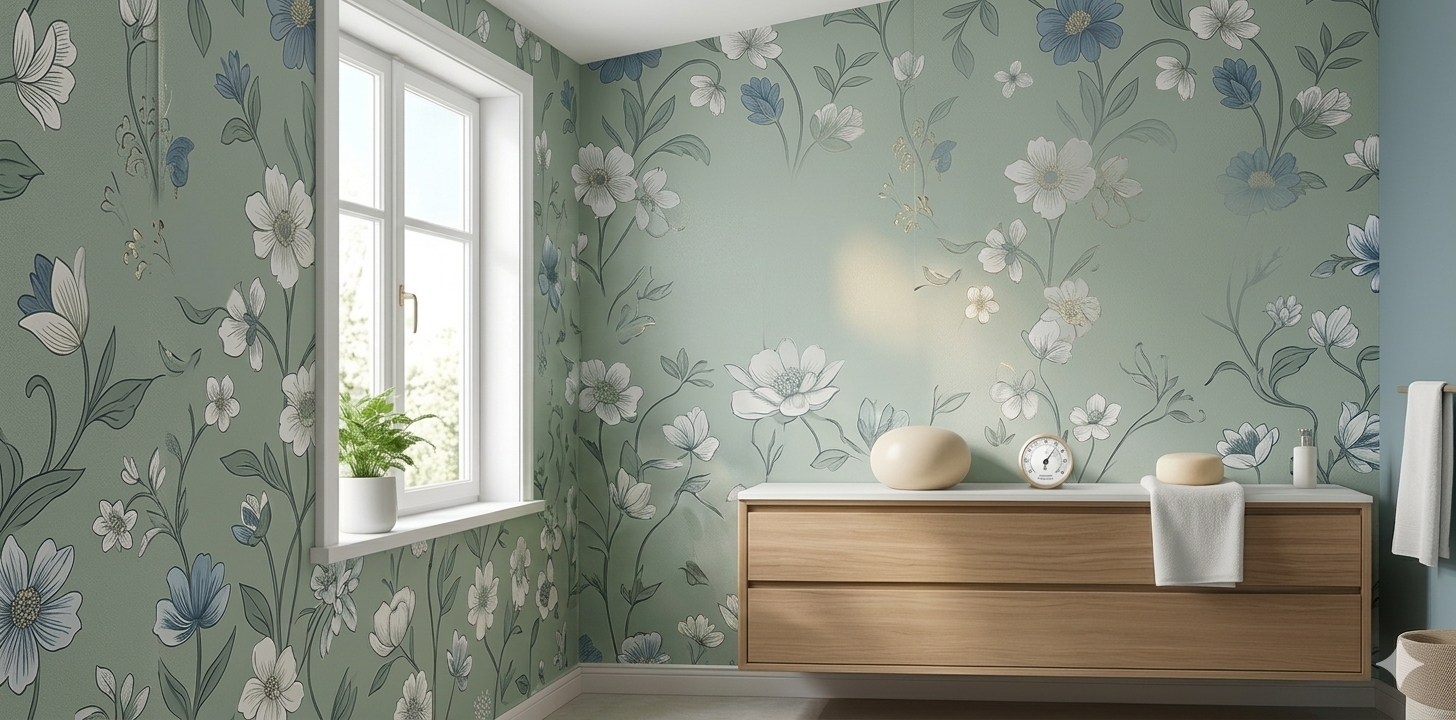
Extend the longevity of your wallpaper in a humid environment by observing the following steps:
1. Proper Surface Preparation
Before any wallpaper goes up, ensure that the wall is well prepped and ready to handle moisture. Remove debris, paint chips and apply a primer to improve adhesion and prevent trapped dampness from causing peeling.
2. Installing Suitable Wallpaper Materials
Choose wallpapers specifically designed for humid environments such as vinyl or non-woven options. These materials resist moisture, water, and humidity better than traditional paper options in damp spaces.
3. Using Appropriate Adhesive
Use a high-quality, moisture-resistant wallpaper adhesive to ensure a strong and long-lasting bond. Proper application helps prevent adhesive failure caused by prolonged exposure to humidity.
4. Having Adequate Ventilation
Maintain proper ventilation and temperature control in high-humidity spaces. Exhaust fans, open windows, and dehumidifiers help reduce condensation and mould growth, allowing walls to dry faster.
Does Peel and Stick Wallpaper Work in Bathrooms or Kitchens?
In kitchens, peel and stick wallpaper is believed to perform well because humidity levels aren’t too high. It works best away from direct heat and constant water splashing.
In bathrooms, its performance depends on ventilation and placement. Peel and stick wallpaper work well in low-humidity bathrooms or laundry rooms, especially when installed away from showers and sinks.
Peel and stick wallpapers work best in humid areas when:
- They are of high-quality and have water-resistant properties.
- Installed on properly prepared walls.
- Proper ventilation and moisture control are ensured.
How to Fix Wallpaper Peeling in Damp Areas?
If you see a peeling wallpaper edge in damp areas, here’s what you can do to fix it:
1. Address the Source
First and foremost check the source for leaks or damps and treat that area before reapplying adhesive. If the core issue is unresolved, it will lead to constant peeling.
2. Clean the Area
Clean the affected area to remove dust, debris, old glue, or even mould. This helps provide a clean, new wallpaper area for adhesive re-application.
3. Reapply the Adhesive
Depending on how large or small the peel is, use a small brush or a roller and apply a coat of strong adhesive to the affected area.
4. Dry and Seal
After the wallpaper is aligned, smoothen it with a smoothing roll or a roller to remove excess glue. Then, allow the area to dry completely.
5. Prevention
To avoid further peeling, place exhaust fans or dehumidifiers to prevent moisture damage and adhesive weakness that cause peeling and bubbling.
Where Wallpaper Should Not Be Installed
You have the liberty to install wallpaper wherever you wish. However, Magicdecor experts recommend avoiding these places and situations:
- Inside Shower Cubicles: This bathroom area is subjected to a lot of direct water and steam that even if the wallpaper is water-resistant, it will inevitably cause damage.
- Rooms with Grave Wall Issues: Walls with adverse issues like seepage or mould growth are unfit for a wallpaper as the issue will only aggravate it further.
- Poorly Ventilated Bathrooms and Kitchens: Any bathroom or kitchen without a window or an exhaust fan can cause the moisture to be trapped, giving way to mould growth and peeling edges.
- Exterior Walls in Rain-Prone Areas: If you live in areas with heavy rainfall, wallpapering the exterior walls with no protection is unsuitable as the wallpaper will discolour and deteriorate sooner than you realise.
Why Choosing Humidity-Resistant Wallpaper Helps?
Choosing moisture and humidity-resistant wallpaper helps because they offer the following perks:
- Moisture-Resistance: You cannot stop water making contact with wallpaper in kitchens and bathrooms, but choosing a humidity-resistant wallpaper prevents speedy adhesive failure.
- Durability and Longetvity: In comparison to choosing traditional paper-based wallpaper, moisture-resistant wallpapers are tougher and more durable for humid areas as they stay secure despite water and steam exposure.
- Mould Prevention: High-humid environments can cause rapid mould growth to standard wallpapers. Humidity-resistant options inhibit mould growth and improve indoor air quality.
Wallpaper Maintenance and Care in Humid Areas
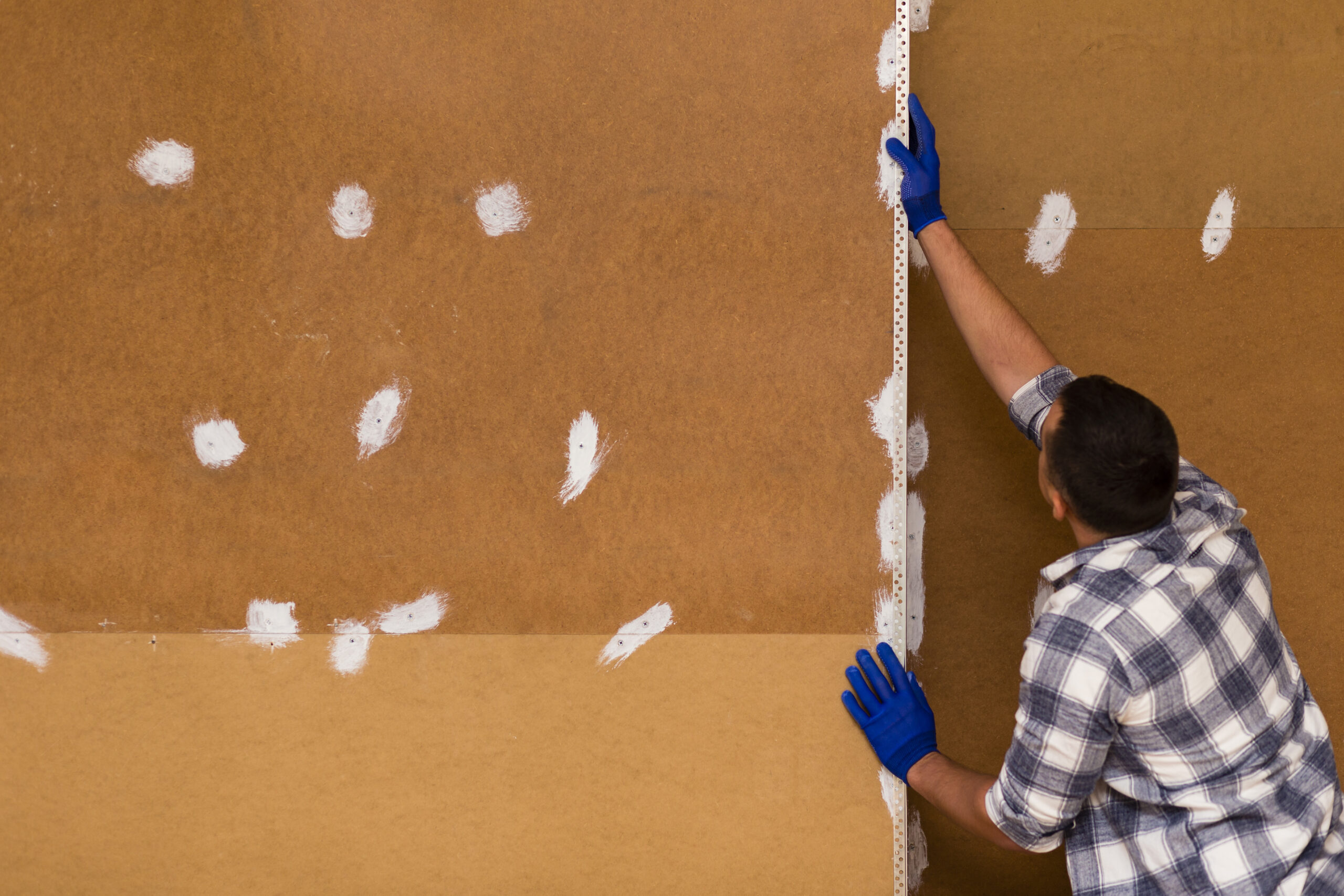
Ensure wallpaper longevity by following these crucial maintenance and care tips:
1. Prioritise Ventilation
Proper ventilation in humid rooms such as kitchens, bathrooms, and laundry rooms is non-negotiable. Use exhaust fans, open windows, and dehumidifiers to prevent humidity and moisture from accumulating.
2. Regular Cleaning
Dust the wallpaper every one or two weeks to prevent dust and dirt buildup. For stains and grease spots, mix a mild cleaning solution with warm water and clean with a soft microfibre.
3. Periodic Inspection
Check the wallpaper monthly for bubbles, peeling edges, discoloration, or mould growth. Address these minor or major issues immediately before it gets out of hand.
4. Avoid Direct Exposure to Moisture
Although moisture-resistant wallpapers are meant to be durable, it is advisable to avoid installing them in high-moisture prone areas like shower stalls or unprotected exterior walls during monsoons.
How Modern Wallpapers Are Designed for Humid Homes
Modern wallpapers such as Magicdecor’s are specifically designed to withstand moisture and changing Indian climate and lifestyle. They are:
- Moisture-resistant as they have a layer of sealant that repel water vapour and moisture absorption.
- Fade-resistant to water splashes and steam, ensuring long-lasting vibrancy when taken care of
- Printed on 250-350 GSM paper for long-lasting durability and luxurious texture.
Wallpaper is Suitable in Humid Areas if Done Right
Whether we like it or not, we cannot escape humidity and moisture in bathrooms, kitchens, laundry rooms, and even exterior walls during monsoons. What we can do is choose high-quality moisture-resistant wallpapers, prepare the wall surface properly, control moisture, and ensure proper care and maintenance.
To conclude, wallpaper will not peel in humid and damp areas if the wall underneath is healthy and the environment around it is supporting it.
FAQs
- Can wallpaper survive Indian monsoon humidity?
Yes, wallpaper can survive Indian monsoon humidity if the walls are dry, healthy and well-ventilated.
- Which wallpaper is best for kitchens?
Vinyl-based wallpapers are the most suitable for kitchens as they resist grease, scratch, heat, and moisture. Plus, the protective layer makes it easy to wipe and clean the surface.
- Can mold grow behind wallpaper?
Yes, mold can grow behind wallpaper when moisture is trapped within, usually due to damp, leaking walls or insufficient ventilation.
- Is waterproof wallpaper real?
Yes, water-resistant wallpapers do repel water and moisture on the surface. However, it does not resist water that occurs from wall dampness or leakage.
- Does peel and stick wallpaper work in humid areas?
Peel and stick wallpaper does work well in low-humidity and well-ventilated rooms but fails when it comes in contact with direct water and steam.







 Material Preview
 Digital Snapshot
 Design Selection
