









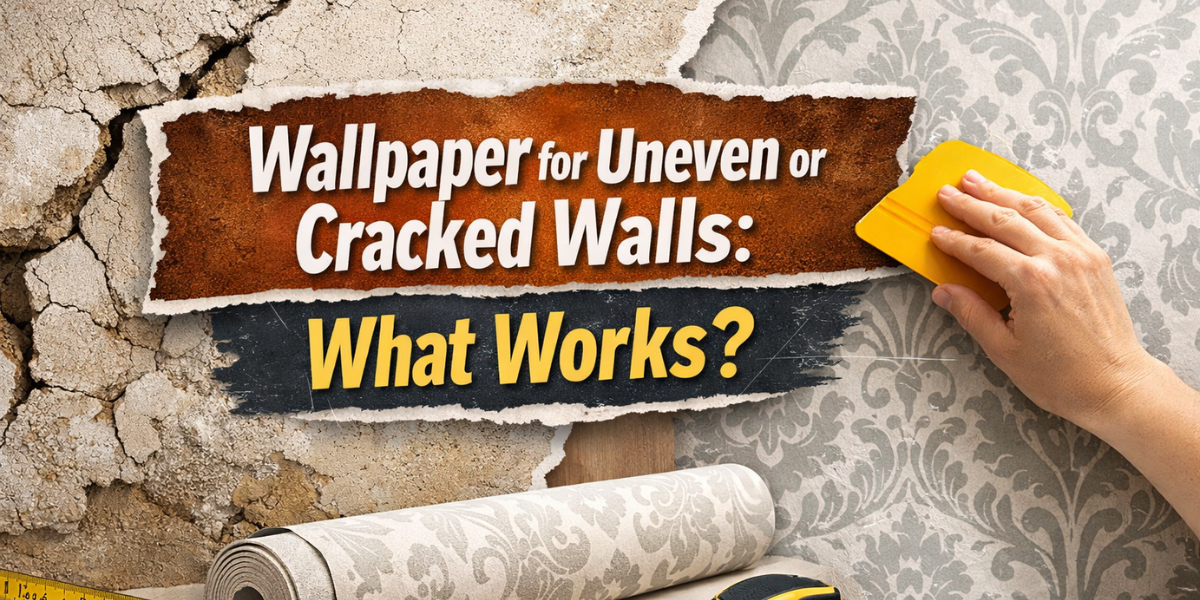
Wallpaper can work on both uneven or cracked walls, but only when the surface is properly treated first.
Wallpaper may be one of the most modern and convenient alternatives to paint today, but the reality is that walls are rarely as smooth and perfect as we imagine them to be.
In many Indian homes, walls often carry small cracks, unevenness, nail holes, or patches from past repairs. While these imperfections might seem minor, they can make wallpaper installation a little more challenging than expected.
Therefore, this blog explores what homeowners should do before installing wallpaper on uneven or cracked walls, along with practical tips and insights from Magicdecor’s experts.
Understanding the Challenge of Wallpapering Imperfect Walls
Wallpapering an imperfect wall poses the following challenges:
- Adhesion Issues: Uneven or cracked surfaces can prevent adhesive from gripping the wall properly, leading to peeling.
- Pattern Misalignment: On uneven walls, wallpaper patterns may appear slightly bumpy or misaligned.
- Imperfection Visibility: Cracks, dents, or bumps can be visible through the wallpaper, affecting the overall appearance.
Common Types of Wall Imperfections
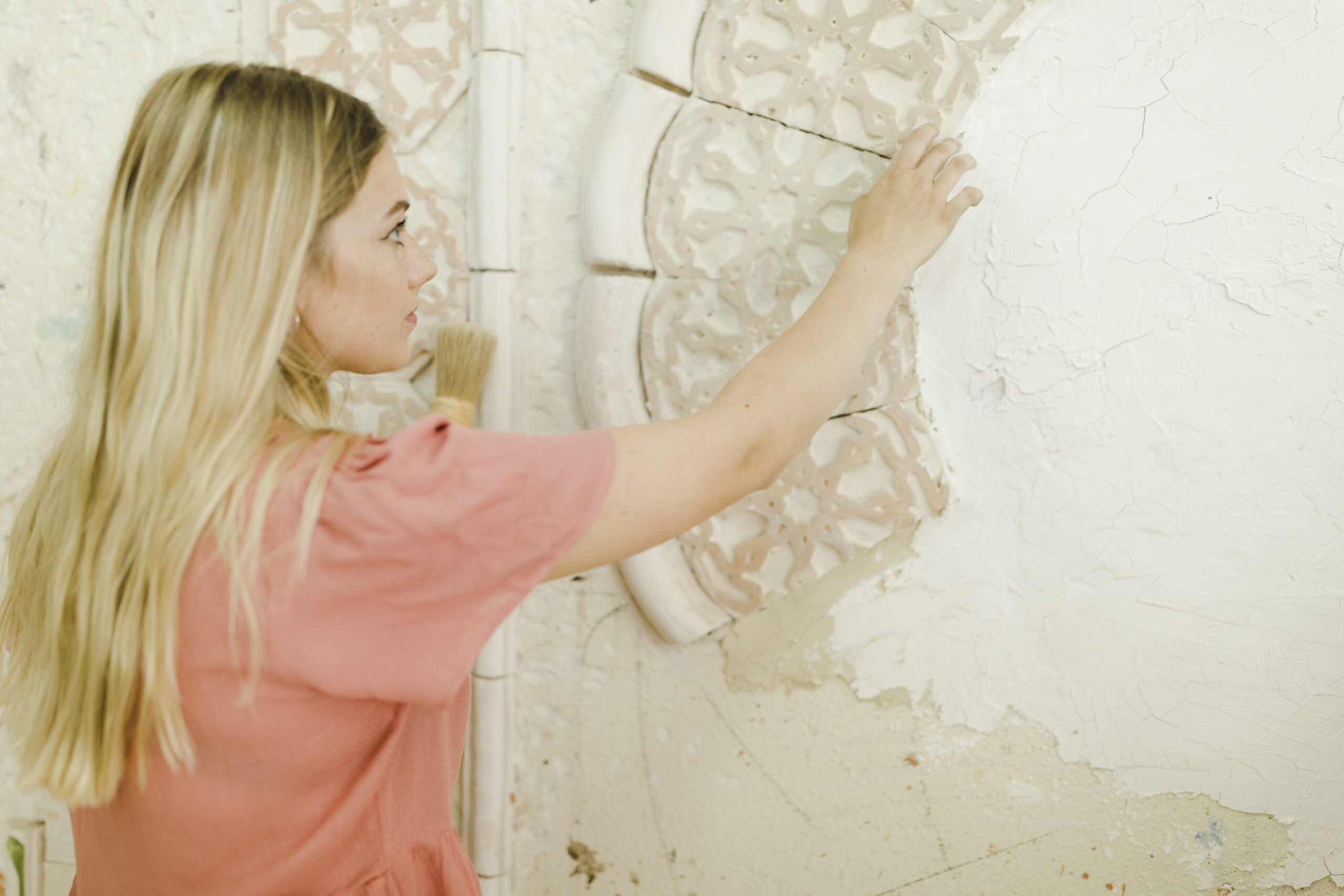
These are the common types of wall imperfections found in Indian households:
- Hairline Cracks: Hairline cracks are very common in plastered walls from thermal expansion and curing process.
- Chipped Plaster: Chipped or broken plaster leave small flaked patches on the wall surface that are caused by moisture infiltration or improper application.
- Textured Walls: These are walls with rough textures or heavy finishes caused by poor wall preparation or uneven paint application.
- Dents And Nail Holes: Small dents, screw marks, or nail homes are pretty common in Indian homes, especially in walls that previously held frames or shelves.
- Uneven Plaster Finishes: Sometimes plaster is applied unevenly, leaving subtle waves or patches on the wall.
How to Treat Cracked or Damaged Walls Before Wallpapering
Before installation, pay attention to cracked or damaged walls so the wallpaper doesn’t end up highlighting these flaws:
1. Inspect and Clean the Wall Surface
First and foremost inspect the wall you are preparing to wallpaper and examine the damage. Scrape out any flakiness or old wallpaper and then clean the surface with a mild soap solution and water to remove dirt, dust, and grease.
2. Fill All the Imperfections
If the wall has cracks and dents, fill them up with putty mix or any other filler. Apply the mix evenly over the damaged areas and allow it to dry completely so the cracked surface does not trap air after wallpapering.
3. Sand to Smoothen it Out
Once the filler dries, lightly sand the repaired spots. This helps blend the newly patched areas with the rest of the wall, preventing bumps or ridges that could show through the wallpaper.
4. Apply a Layer of Primer
Finish the process by applying a layer of good quality primer. Primer will seal the wall surface and create a uniformed base so the adhesive improves its adhesion. Moreover, the wallpaper will sit smoothly without revealing the repaired areas.
Wallpaper Materials That Help Hide Wall Imperfections
These wallpaper materials are excellent at concealing wall imperfections:
1. Textured-Vinyl Wallpaper
Textured-vinyl wallpapers are thick, durable, and ideal for hiding wallpaper imperfections like cracks or dents. They come in a variety of options such as embossed, 3D texture, anaglypta, etc. that add visual interest while concealing flaws.
2. Grasscloth Wallpaper
Grasscloth wallpaper is a natural type of wallpaper that is made from jute or bamboo fibres. The reason they are good at hiding wall blemishes is because its real, subtle texture takes away the distraction from wall flaws.
3. Foam-Backed Wallpaper
Foam-backed wallpapers are thicker and softer than traditional styles and are amazing at hiding wall imperfections. Apart from concealing uneven walls, foam-backed wallpapers are also great for insulation and noise reduction purposes.
4. Non-Woven Wallpaper
Non-woven wallpapers are the latest and ideal wallpaper options that help in concealing small wallpaper imperfections. They cover unsightly spots and small cracks on the walls, not major flaws.
How Patterns and Colours Help Disguise Wall Flaws
Reasons how patterns and colours help conceal wall imperfections:
- Busy Patterns Take the Distraction Away: Busy patterns like floral, geometric, or abstract designs, take away the attention of wall imperfections by making the eyes focus on the overall design.
- 3D Wallpaper Create an Illusion: 3D designs cover up wall damage by making the surface appear more dimensional than it actually is. This illusionary effect naturally draws attention to the design and not the flaws.
- Dark Tones Absorb Light: Darker shades tend to absorb light rather than reflect it. Because of this, small cracks, dents, or uneven surfaces become less noticeable compared to lighter shades that highlight every shadow.
- Earthy Tones Camouflage: Earthy tones like beige, terracotta, olive, or browns blend naturally with subtle wall imperfections due to their depth, where they disappear into the background.
Best Types of Wallpaper Designs for Imperfect Walls

Here are certain patterns and designs that distract the eye and help conceal wall imperfections:
1. Floral and Botanical Prints
Floral and botanical wallpapers work really well because of their flowing patterns with layered leaves and branches that help conceal imperfections.
2. Textured Wallpapers
Textured wallpapers, particularly brick-effect, embossed patterns, faux grasscloth textures, and stone finishes create a tactile look while masking minor bumps on the wall.
3. 3D Designs
3D wallpapers create an illusion of depth and dimension which draws the eye into the design rather than the flaws of the wall.
4. Abstract Art
Abstract art consists of irregular shapes, brush strokes, and mixed colours that are intentionally unpredictable. This helps hide dents, small cracks, or unevenness.
Step-by-Step Guide to Wallpapering Uneven Walls
For installing wallpaper on uneven wall surfaces, follow these professional tips:
1. Clean The Wall
Start by giving the wall a clean slate. Remove dust, grease, and old adhesive or paint that may cause hindrance. Wipe the wall with a damp cloth or mild soap solution and let it dry before moving onto the next step.
2. Fill Cracks
Hairline cracks, nail holes, and plaster flakes should not be ignored. Use putty or any other wall filler to close them up and level the surface. Once dry, gently scrape away the excess.
3. Sand Rough Areas
Uneven patches or dried wall putty can create bumps under the wallpaper. Therefore, sand down the surface lightly to ensure the wallpaper does not highlight every uneven ridge on the wall.
4. Apply Primer
Primer is the quiet hero of wallpaper installation. Why? It seals the wall, improves adhesion, and prevents the wallpaper paste from soaking unevenly into the surface. Use a good primer on slightly imperfect walls to create a uniform wall surface.
5. Install Wallpaper
When the wall is dried and ready, apply the wallpaper paste methodically. Then, apply the wallpaper properly and smooth it downward using a smoother or brush to push out air pockets.
Wall Preparation Tools and Methods You Shouldn’t Skip
Here are some crucial wall preparation tools and methods you shouldn’t skip before and during wallpaper installation:
1. Essential Wall Preparation Tools
- Wall Scraper: Wall scraper or stripper is important to strip away stubborn old adhesive, flaky plaster wall, or old wallpaper.
- Sandpaper/ Block: This tool is essential to sand down uneven or textured wall surfaces into a smooth, even surface.
- Putty/ Filler Compound: Fillers or putty is important to fill up cracks, holes from nails, and other gouges.
- Primer: Primer is crucial for sealing the newly prepared wall surface and providing an ideal surface for wallpaper adhesive.
2. Methods You Shouldn’t Skip
- Prepping the Wall Surface: Filling cracks, smoothing dents, and lightly sanding uneven surfaces.
- Removing Old, Flaky Paint: Scraping away flaky paint and old plaster helps provide a stable, clean surface.
- Choosing a Wallpaper Liner: A wallpaper liner works as a base layer between the wall and wallpapers, helping create a smooth, even base.
- Clean, Dry, and Solidify Method: Whether you are cleaning the wall, applying putty, or priming the surface, ensure the surface is clean, dry, and solid before moving to the next step.
When Wallpaper May Not Work on Uneven Walls
Wallpaper may not work on uneven walls if they have:
- Major Structural Issues: Walls with major structural issues that are bound to crack furthermore, are unfit for wallpapering.
- Deep or Wide Cracks: Large cracks or severe dips in the wall remain visible even after wallpaper is applied. Therefore, it is pointless to install one.
- Severely Uneven Plaster: Walls with heavy bumps, ridges, or textures prevent adhesive from gripping the wallpaper properly.
- Damp Walls: Moisture can cause wallpaper to bubble, peel, or develop mould. Therefore, it should be treated before applying wallpaper.
Signs You Should Call a Professional

Here are signs that indicate you should call a professional to handle wall damage:
1. Cracks That Keep Reappearing
If cracks return even after filling them, it may indicate deeper structural issues that need professional inspection and treatment.
2. Wide or Spreading Cracks
Cracks that are visible widening or running across large sections of the wall often signal problems with the structure rather than a plaster damage.
3. Signs of Water Damage
Peeling paint, damp patches, or mould growth all suggest moisture problems such as leakage or seepage, which must be fixed by a professional.
4. Crumbling Plaster
If the plaster flakes easily or the wall feels weak to touch, professional repair is needed to create a stable wall surface.
Choosing the Right Magicdecor Wallpaper Material for Imperfect Walls
Depending on the condition of the wall, here’s some Magicdecor wallpaper material suggestions:
| Wall Condition | Recommended Wallpaper Material | Why? |
| Small Surface Cracks | Magnetic wallpaper | Helps the wallpaper appear smooth |
| Slightly Uneven Cracks | Magnetic wallpaper | Adheres well to walls with minor irregularities |
| Noticeable Unevenness | Textured Wallpaper | Helps masks imperfections by distracting the eye |
| Wall with Nail Holes | Thick vinyl wallpaper | Provides better coverage |
Maintenance Tips for Long-Lasting Results
Follow these maintenance tips to stretch the longevity of your wallpaper:
- Clean Gently and Regularly: Use a soft cloth or dry duster to remove dust without damaging the wallpaper surface.
- Avoid Using Harsh Chemicals: Strong cleaning solutions can fade wallpaper colours or damage the finish. Therefore, avoid cleaning the wallpaper with them.
- Check Edges Occasionally: If corners or edges begin to lift, fixing them early can prevent larger peeling sections in the future.
- Maintain Proper Ventilation: Good airflow in the room helps prevent moisture buildup that could affect wallpaper adhesion.
Don’t Let Cracked or Uneven Walls Stop You From Wallpapering Your Space
Walls in real homes are rarely flawless– small cracks, nail holes, uneven plaster, or patchy repairs are common in many Indian homes. These imperfections can make wallpapering seem intimidating but they don’t have to be a deal-breaker.
Most of these flaws simply require the right wall preparation and treatment. Once the surface is properly treated, the wallpaper can sit neatly and transform your space just as beautifully as it would on a smooth wall.
FAQs
- Can wallpaper hide cracked walls?
Yes, wallpaper is excellent in hiding cracked and uneven wall surfaces. Thick, textured wallpapers work best in concealing wall imperfections.
- What wallpaper is best for uneven walls?
Textured wallpaper, designs with heavy patterns, or thick wallpapers usually work best for uneven walls.
- Can peel-and-stick wallpaper work on textured walls?
Peel-and-stick wallpaper works best on smooth surfaces and well-prepared walls. On heavily textured walls, it may struggle to adhere properly.
- Do I need to repair cracks before wallpapering?
Yes, small or big cracks should be filled and smoothed before installing the wallpaper to ensure proper adhesion.







 Material Preview
 Digital Snapshot
 Design Selection
