








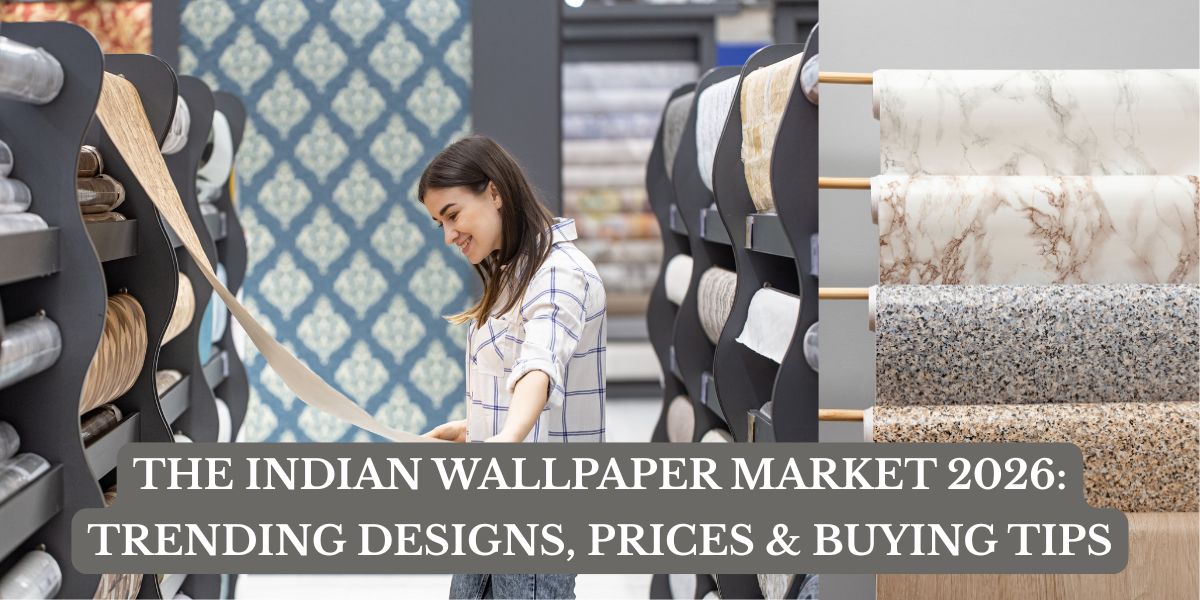
The Indian Wallpaper Market 2026: Trending Designs, Prices & Buying Tips
If you’re curious about what the Indian wallpaper market is shaping up to look like in 2026– the trends, the designs everyone’s talking about, and the smart buying tips you should know about– wallpapers in India are moving from simple decor and stepping into bold designs and lifestyle-driven design choices.
If you want to know more about what’s trending in the market, what to look for before you buy, and which designs are popular, here’s a quick guide to lead you.
What Is the Wallpaper Price Range in India?
Look at the following tabular differences of the wallpaper range in India:
| Type | Price Per Sq. Ft. / Roll | Reason |
| Local/ Offline Sellers | ₹100- ₹8000/ sq. ft. | Pricey due to overhead charges. |
| Online Marketplaces eg. Amazon | ₹30- ₹400/ sq. ft. | Budget-friendly but does not guarantee quality or durability. |
| Imported Wallpapers | ₹60- ₹1000/ sq. ft. | From basics to designers from US, Korea, etc. |
| Custom Wallpaper Brands in India | ₹60-₹300/ sq. ft. | High-quality basic rolls to customised options. |
What are the Wallpaper Prices by Material Type in India?
Here are prices of various wallpaper materials in the Indian market right now:
| Types of Wallpaper Materials | Price Per Sq. Ft. |
| Paper (Traditional) | ₹50- ₹130/sq. ft. |
| Non-Woven | ₹30- ₹200/sq. ft. |
| Vinyl-Based | ₹25-₹200/sq. ft. |
| Peel and Stick | ₹120-₹500/sq. ft. |
| Fabric-Based | ₹80-₹300/sq. ft. |
| Premium Canvas Texture | ₹170-₹450/sq. ft. |
What Is the Cost of Wallpaper Installation in India?
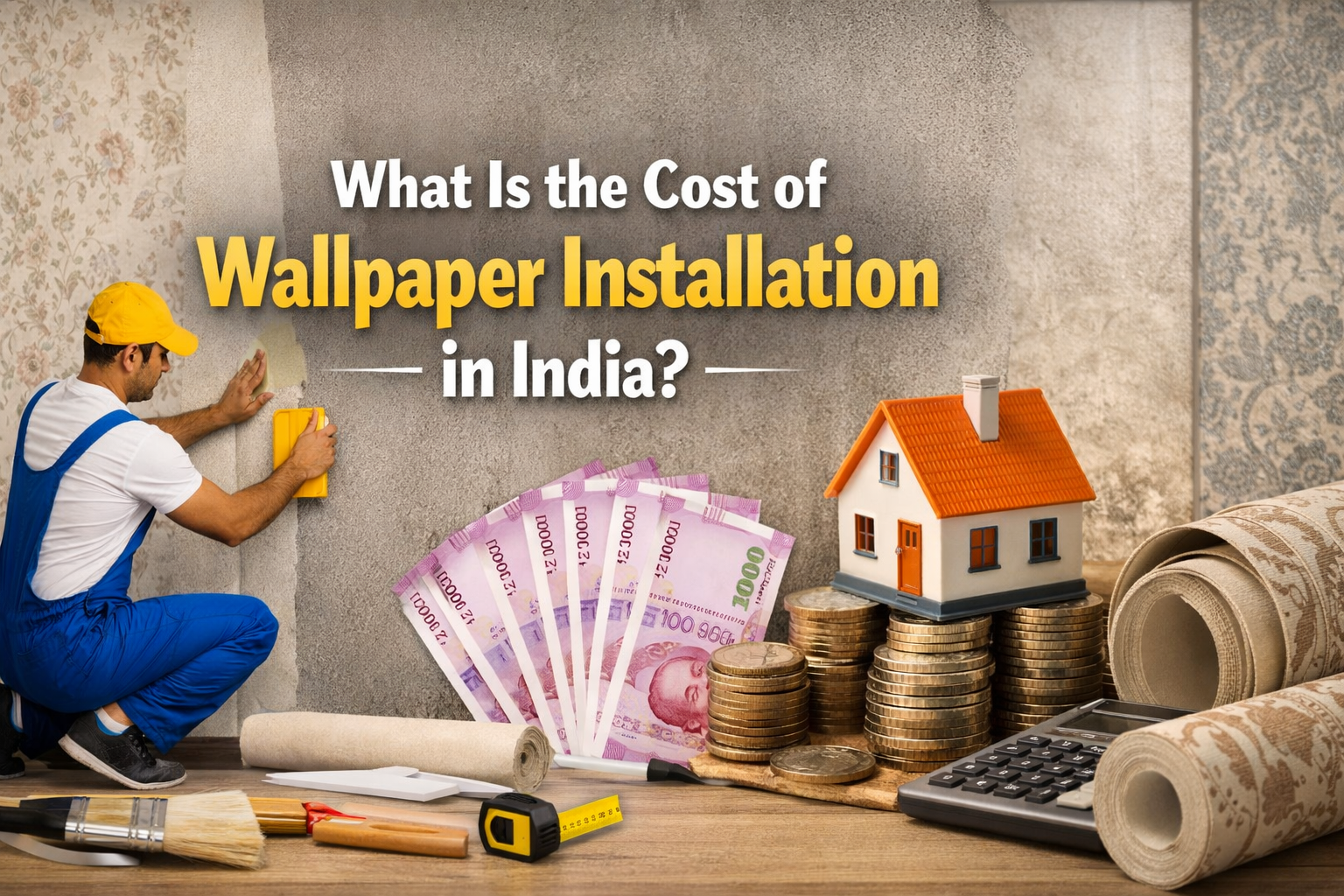
Here’s a look overview of the installation cost in India:
1. DIY vs Professional Installation
| DIY Installation | Professional Installation |
| Saves labour costs | Includes labour costs |
| Can be installed by anyone, anywhere. | Depends on geographical location. |
| Includes no installation cost. | Costs start from ₹10-₹30 per sq. ft. |
2. Cost per Sq. Ft.
When it comes to installation cost, professional labour is necessary to ensure a flawless finish, which roughly starts from Rs. 10 per square foot to Rs. 30 per square foot, depending on the brand and the city.
3. Factors Affecting Installation Pricing
Several factors affect the installation cost of wallpapers in India and those include:
- Surface Preparation: A flawless wall is necessary for a seamless application of the wallpaper, therefore, wall surface preparation may influence the installation cost. The labourers may sand down your wall and prime it for better adhesion.
- Room Size and Scale: Rooms with many architectural corners or details may significantly vary the installation cost due to the precision required to install it correctly.
- Geographical Location: The installation cost also varies based on which tier city you’re living in– tier 2 or tier 3– due to the demand. Therefore, the installation cost begins from Rs.10 per square foot.
What Factors Influence Wallpaper Prices in India?
From wallpaper material to customisation, here are all the factors that influence the prices of wallpaper in India:
1. Material Quality
One of the foremost factors that influence wallpaper price is material quality. Reputed brands will use a premium paper quality, specifically the 250-350 GSM paper and high-quality and non-toxic inks that give a luxurious look and feel.
2. Design Complexity and Colour Density
The design complexity and the colour density also influence the wallpaper prices in India. For example, if you choose:
- Simple Patterns: Patterns with basic or repetitive motifs are inexpensive as they require minimal precision.
- Large-Scale Murals: These can be a bit expensive as they often require maximum precision and correct alignment to achieve proper pattern continuity.
3. Types of Wallpaper Material and Finish
Wallpapers come in a plethora of materials and finishes, from budget-friendly options to designer materials. Depending on the material you choose, the prices will vary accordingly:
- Paper-Based: The most common and affordable wallpaper material, starting from around ₹80-₹120 per square foot. However, it does not guarantee durability.
- Vinyl-Coated: Hold a slightly high price due to its water-resistant properties and durability for areas such as kitchens and bathrooms.
- Non-Woven: These materials strike a balance between quality and affordability while maintaining excellent durability.
- Fabric-Based: One of the most expensive wallpaper materials in the market as it offers a luxurious texture with prices ranging from ₹120 up to ₹600 per sq. ft.
As for wallpaper finishes and textures, their prices also differ because there are multiple variations such as:
- Smooth Finish: The go-to finish as it is more affordable and easier to maintain in high-traffic areas.
- Embossed Texture: These add a tactile appeal and visual texture to your walls, which translates to higher prices.
- Metallic Accent: Certain wallpapers have metallic accents as borders which requires a specialised printing technology, thus slightly increasing its cost.
- Faux Finish: Faux finishes of textures such as grasscloth, marble, or natural stone make your walls look premium, therefore commanding very high prices.
4. Wall Size and Scale
Another factor that raises wallpaper costs is wall size and scale. Wallpapers can be delivered in multiple sizes and measurements such as the following:
- Standard Roll Sizes: These are economically priced and have a fixed size, where you’d have to cut, align, and paste as per your wall measurements.
- Custom Dimensions: These include additional costs as it produces wallpapers according to your wall specifications.
5. Custom Sizing and Personalisation
Customisation from individual clients demand premium prices as the wallpaper is customised as per their design preferences, colour modifications, size adjustments, and exact wall dimensions.
Growing Popularity of Peel and Stick Wallpapers in India
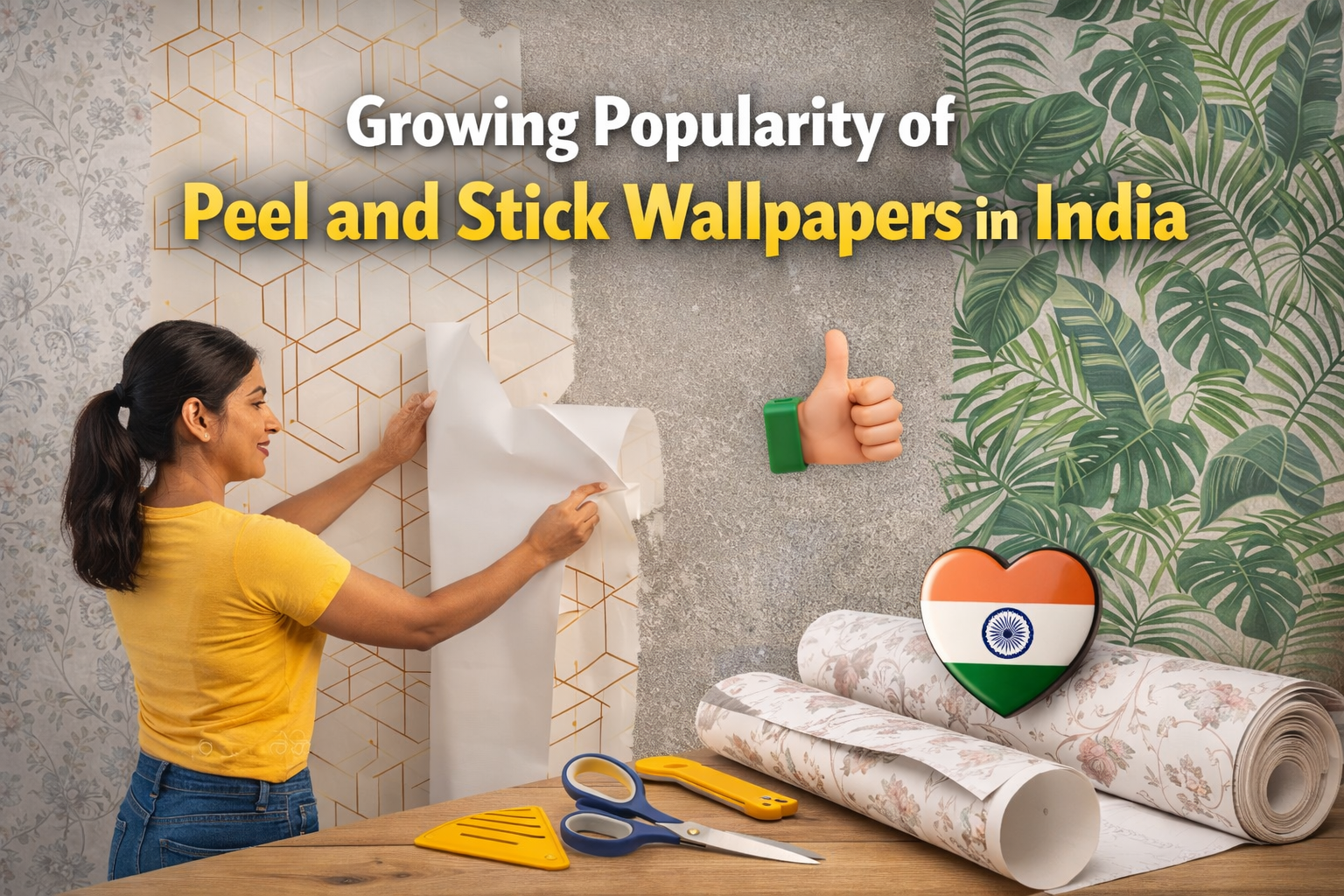
There has been a significant shift towards peel and stick wallpapers in the Indian wallpaper market as Indian homeowners are loving the appeal of this application. Peel and stick wallpapers are blooming due to the following reasons:
1. Rental Homes
The hassle-free application and easy removal nature makes peel and stick a favourite amongst renters. It allows you as homeowners to decorate your houses without the fear of the landlord’s outrage.
2. DIY Culture
Many people are into DIY as a way of reclaiming creativity, saving costs, and a mindful, screen-free activity. Peel and stick wallpapers require no adhesive application or messy hands, making it suitable for DIY enthusiasts.
3. Time-Saving Home Upgrades
If you’re a decorator or someone who loves upgrading your home every now and then, peel and stick wallpapers are very convenient. You can transform your space quickly and change it damage-free when you see fit.
Shift Towards Eco-Friendly & Sustainable Wallpapers
The shift towards eco-friendly and sustainable wallpapers is driven by various health and environmental concerns. Homeowners, today, are picking wallpapers that are:
1. VOC-Free Inks
Traditional wallpapers release a lot of VOCs that are harmful and affect the air and health. Therefore, many homeowners are consciously choosing wallpapers with eco-friendly and non-toxic inks that do impact the indoor air quality.
2. Eco-Friendly Materials
The rapidly changing climate has made us all aware of our actions and choices that impact the planet. Choosing sustainable and eco-friendly wallpapers made either using recycled paper or FSC certified materials.
3. Ethical Manufacturing
Many homeowners also pay heed to the method of wallpaper production, whether the brand focuses on minimising manufacturing waste, internal recycling, proper waste management, and reduced chemical release during production.
Wallpaper Design Trends Dominating 2026
Here are the top wallpaper design trends designers believe will dominate the interior decor in 2026:
1. Nature and Tropical Themes
Since we are all shifting our focus to nature and sustainability, it only seems fitting to choose a wallpaper design that leads us closer to nature while also maintaining style, and that is nature and tropical themes.
2. Indian Traditional and Contemporary Fusion
Are our homes even Indian if we don’t include or express our diverse culture? If you want to maintain the contemporary look in your home while also blending traditional themes, then you can select designs like mandala, Jharoka, or any other folk art or Indian scenes to make your space timeless.
3. Minimal Textures and Neutral Palettes
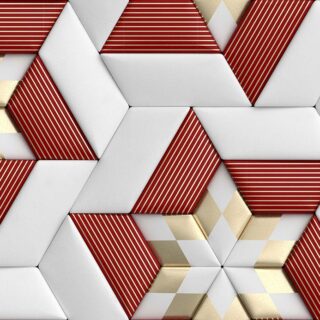
Minimalism has been dominating the interior design for a while now and will continue to do so in 2026 as well. To keep your home minimalistic and stylish, opt for wallpapers with a warm neutral colour palette or geometric designs that add depth and interest.
4. Kids and Nursery-Focused Designs
Many homeowners are keen on decorating their kids’ bedroom too and therefore, kids and nursery-focused wallpapers will see a rise in 2026. Designs such as animated animals, pastel skies, cartoon-filled walls, and many more.
5. Statement Murals for Living Room
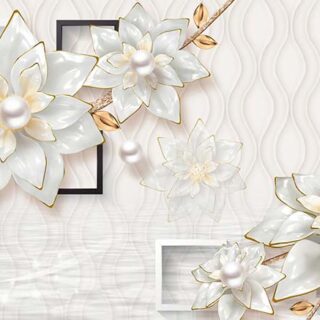
Many designers are predicting that in 2026, homeowners will be moving away from plain neutrals towards expressive, immersive wall murals. The living rooms, especially, will see a rise of panoramic scenes, large botanical motifs, and vintage patterns.
Buying Tips for Wallpapers in Indian Homes
Before you buy a wallpaper for your Indian home, here are some very important factors and tips to consider:
1. Climate and Humidity Considerations
Indian homes are susceptible to many weather conditions, all which can impact the longevity of the wallpaper. Moreover, in areas where water and moisture make a constant appearance, it’s essential to be cautious. For conditions like these, follow these tips:
- Suitable Material: Prioritise selecting non-woven or vinyl-coated wallpapers that are durable and resistant to moisture and humidity. Use premium canvas texture for living rooms and bedrooms for a luxurious look.
- Surface Preparation: Never install wallpapers on damp or mould surfaces as the glue does not adhere well. Ensure the wall is clean, dry, and primed well for wallpaper installation.
- Proper Ventilation: In areas like bathrooms and kitchens, where moisture and heat are present, ensure there is proper ventilation or dehumidifier to prevent the moisture from peeling the edges.
- Professional Installation: Due to India’s climate changes, it’s vital to allow a professional to handle the installation, who will ensure proper adhesion and zero air bubbles.
2. Safety for Kids and Pets
When you’re buying wallpapers for your home, ensure they are free of VOCs and toxins that would otherwise affect the indoor air quality. Choose wallpapers with water-based inks and eco-friendly materials that are safe for your kids and pets.
3. Custom-Sizing vs Standard Rolls
Are you unsure whether you should pick a standard roll of wallpaper or customise the size as per your wall? Let this table help you pick a choice:
| Custom-Sizing | Standard Rolls |
| Exact fit for your walls | Generic, random size |
| Can be pasted on your walls seamlessly. | Requires measuring, cutting, aligning, and pasting. |
| Bubble-free and zero mess. | May result in bubbles or mess. |
| No shortage or wastage. | May result in material shortage or wastage. |
4. Maintenance and Washability
To stretch the longevity of your wallpaper, ensure you take these following maintenance steps:
- Choose washable options for bathrooms and kitchens for easy cleaning.
- Regular clean dust off the wallpaper surface using a soft microfiber to maintain its colour.
- In case of tough stains, use a mild washing soap and spot clean it.
Where Can You Find Affordable Wallpapers in India?

There are many stores and online platforms you can purchase quality and affordable wallpapers from, but here are some recommendations:
1. Local Dealers
Local stores and dealers carry a plethora of wallpaper rolls with the added benefit of seeing and feeling the texture in real life. However, sometimes local options have limited designers or higher prices due to overhead charges. Plus, transport can be a hassle.
2. Online Custom Wallpaper Platforms
Shopping online in India brings a huge design variety, easy comparison, and often better prices without stepping out. Brands like Magicdecor offer affordable choices that let you bring luxury home without breaking the bank. Plus, our collection features high-quality materials, VOC-free inks, durability and more.
Make Smart Wallpaper Choices in India’s Wallpaper Market 2026
In 2026, the Indian wallpaper market is focusing on shaping how homes feel, look, function, and express personality. As we explored in the blog above, understanding trends, installation costs, why materials differ, and where to safely and affordably buy wallpapers makes a huge difference.
FAQs
- What is the average wallpaper price in India?
The average price of wallpaper in India typically ranges from ₹30–₹600 per square foot, depending on the material, print quality, customisation, and brand. - Are peel-and-stick wallpapers durable in Indian weather?
Yes, peel-and-stick wallpapers are durable in India as long as the room conditions and wallpaper quality are suitable. Good-quality peel-and-stick wallpapers hold up well in living rooms, bedrooms, and dining areas; however, extreme heat or water exposure can reduce their lifespan. - Which wallpaper material is best for Indian homes?
For most Indian homes, the best wallpaper choices are non-woven, vinyl-coated, and premium textured wallpapers, each offering different characteristics and suitability. - Is wallpaper cheaper than painting in India?
It generally depends on what you compare. Basic coats of paint may be cheaper, but wallpaper often offers better aesthetic appeal and long-term value. A standard paint job is budget-friendly but may require touch-ups every few years, whereas high-quality wallpaper costs more upfront but lasts longer. - How long do wallpapers last in Indian conditions?
With proper installation, high-quality material, and regular maintenance, wallpapers in Indian homes typically last 5 to 10 years.









 Material Preview
 Digital Snapshot
 Design Selection
