








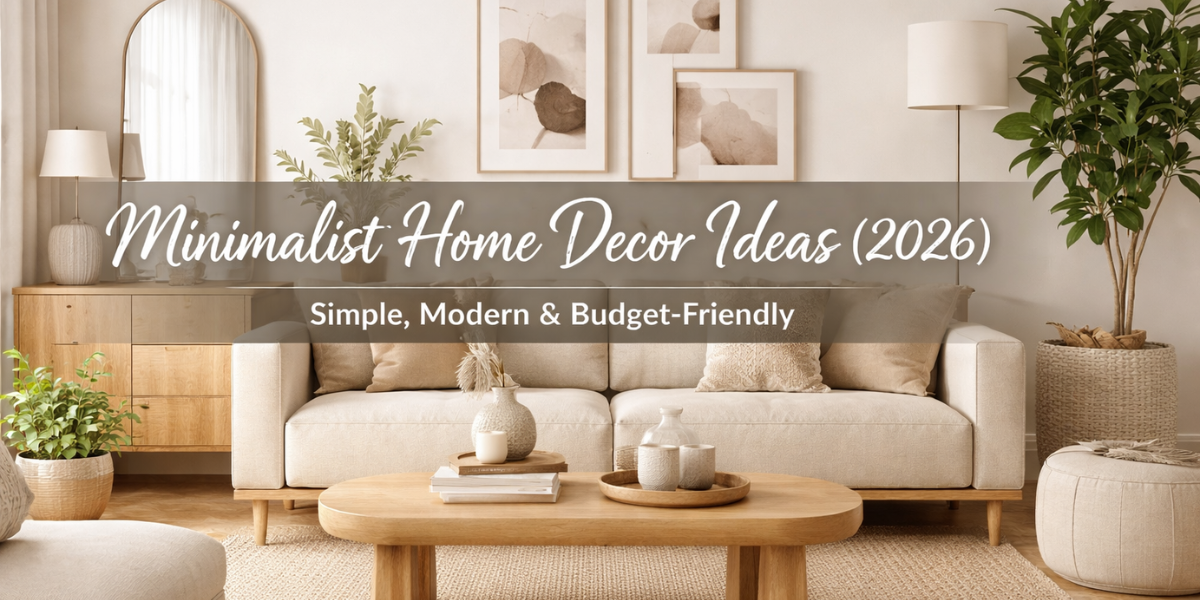
A minimalist home decor ideas comprises of the following:
- A neutral colour palette
- Multifunctional furniture
- Smart storage solutions
- Clutter-free spaces
- Warm textures
Homeowners are feeling burnout from beige and overdone neutrals, and minimalism may slowly be losing favour. But do not count this simple, sleek design style out just yet. This year, minimalism is adopting a more layered and warmer style.
In this blog, explore expert insights from Magicdecor and discover modern, simple, and budget-friendly ideas to create a functional minimalist abode.
What is a Minimalist Home and Why is it Favoured Widely?
Many people grow up in homes that lean towards a more maximalist style but over time, they shift towards something more intentional and more minimalist. As lifestyles evolve, so do preferences, leading to many to move away from excess and towards simplicity.
At the same time, rapid urbanisation and shrinking living spaces continue to drive the shift towards minimalist homes. Therefore, it is widely favoured due to modernity and the sense of openness and minimalism.
Key Characteristics of Minimalist Home Decor
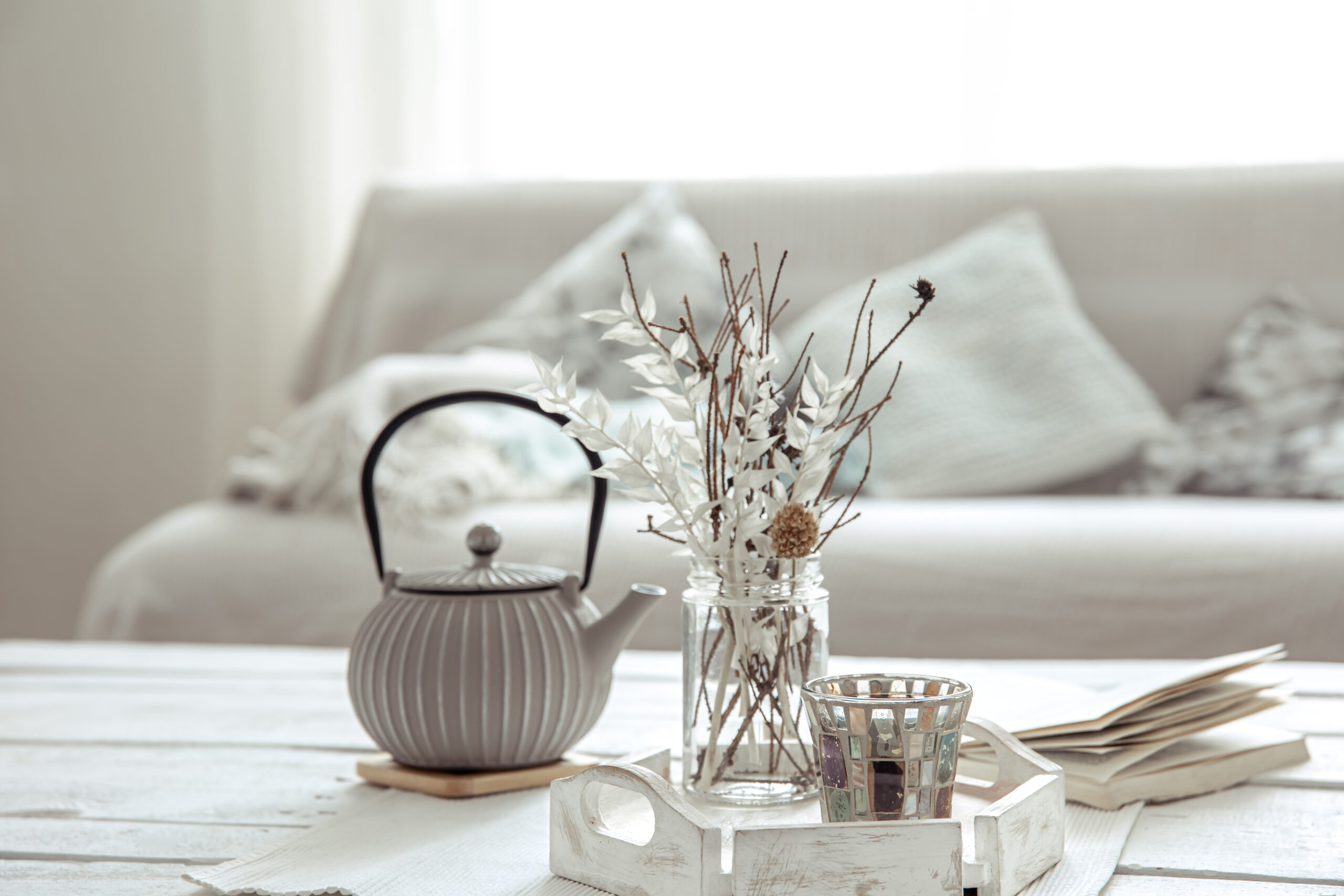
Let us start by understanding what are the most essential elements of minimalist home decor:
- Quality Over Quantity: Instead of purchasing several cheap items, a minimalist would spend on a few high-quality and long-lasting items.
- Neutral Colours: Minimalist decor favours neutral colours like beige, muted creams, and warm browns that provide a backdrop for furnishings and contrast.
- Natural Textures: Texture to minimalist interiors is added through textured materials like wall mouldings, wood panelling, unglazed ceramics, and cosy textiles.
- Clutter-Free Spaces: A minimalist cannot be devoid of any accessories. However, decluttering is the cornerstone of minimalist interiors and naturally there should be no clutter or knick knacks anywhere.
- Functional Furniture: A minimalist space only contains essential pieces of furniture that serve dual purposes like a bed with storage.
- Open Spaces and Natural Light: This aesthetic loves natural light, open plans, and wide windows that allow air and natural light in.
Reasons to Embrace a Minimalist Home
Before we delve into minimalist home decor ideas, it’s helpful to run through some of the key benefits of a minimalist home:
- Less Stressful: Eliminating visual distractions helps us enjoy our home, thus reducing stress and mental fatigue.
- Easier to Maintain: Streamlined spaces are easier to clean and maintain, instead of cleaning through a bunch of objects and furniture pieces.
- Financial Freedom: By prioritising ‘less is more’ and curbing impulse buying, you help expenses and stick to your monthly budget.
- Enhanced Focus: A clutter-free home allows your brain to concentrate on daily routine and tasks if you work remotely.
Types of Minimalist Interior Styles
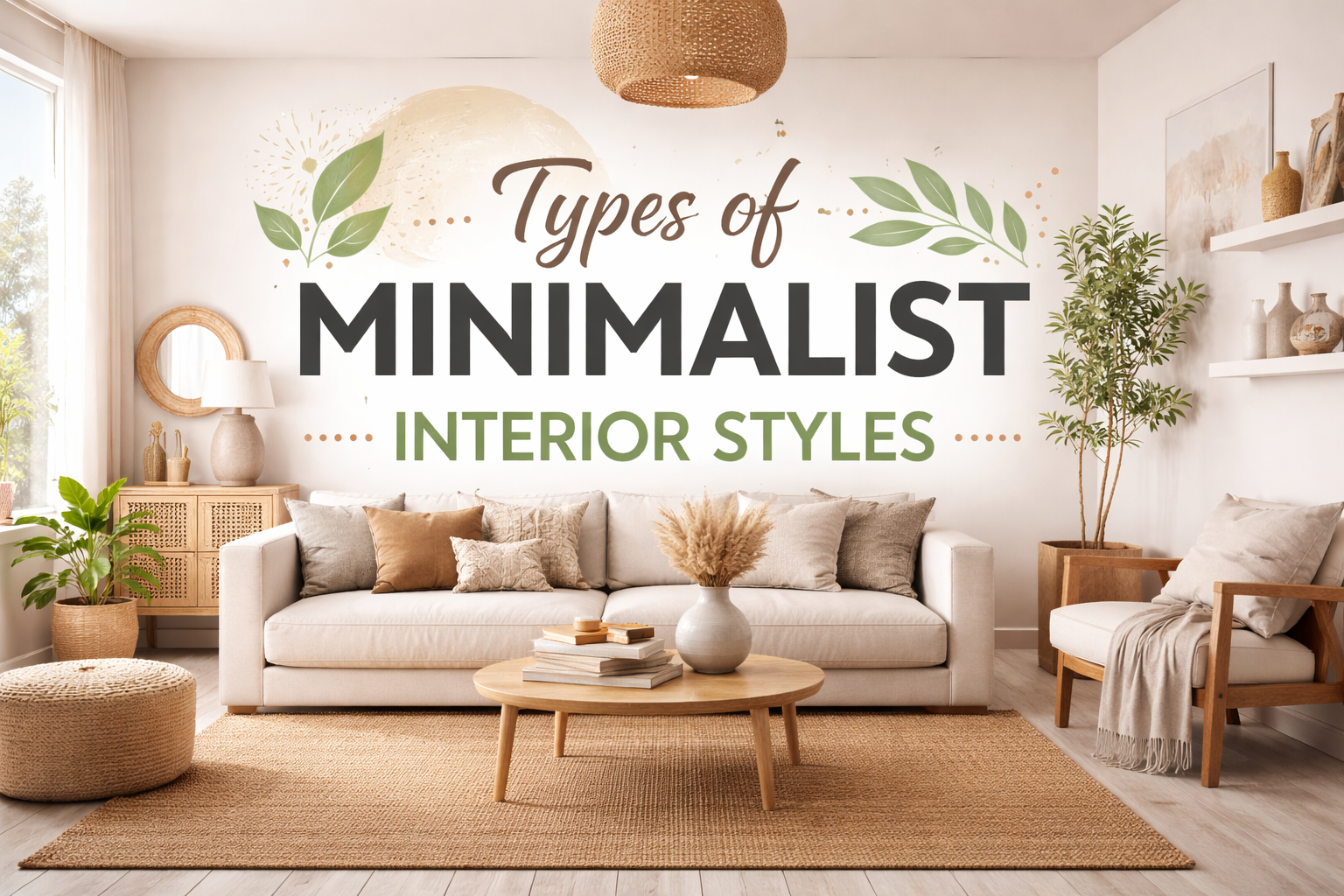
Let’s explore some prominent types of minimalist interior designs:
1. Scandinavian Minimalism
Also known as Nordic minimalism, Scandinavian minimalism is renowned for its simple, warm spaces, functional design, and emphasis on natural light.
Key Characteristics: Neutral colour palette, clean lines in furniture and accessories, and ample natural light.
2. Japanese Minimalism
Inspired by Zen philosophy, Japanese minimalism focuses on creating uncluttered, harmonious spaces that promote tranquility and mindfulness.
Key Characteristics: Use of natural materials like wood, bamboo, and rice paper, multifunctional furniture, simple decor, and subdued colour palette.
3. Industrial Minimalism
Industrial minimalism draws inspiration from utilitarian spaces like warehouses, factories, and buildings to create a sense of urbanity and edginess.
Key Characteristics: Exposed brick walls, metal pipe, and concrete floor, grayscale and neutral colour palette, and metallic accents and lighting.
4. Organic Minimalism
Organic minimalism creates a calm and harmonious atmosphere by embracing a connection with the outdoors and celebrating the beauty of natural elements.
Key Characteristics: Organic materials such as wood, stone, and natural fibres, indoor plants, natural light, sustainable design practices, and a colour palette inspired by nature.
5. Minimalist Bohemian
Minimalist bohemian interiors combine the simplicity of minimalism with the free-spirited vibe of bohemian. The result is a laid-back, clean line, and free-spirited home.
Key Characteristics: Vintage and natural furniture like cane, handmade decor, abundance of plants, textile decor, and an earthy colour palette.
Top Minimalist Interior Design Trends 2026
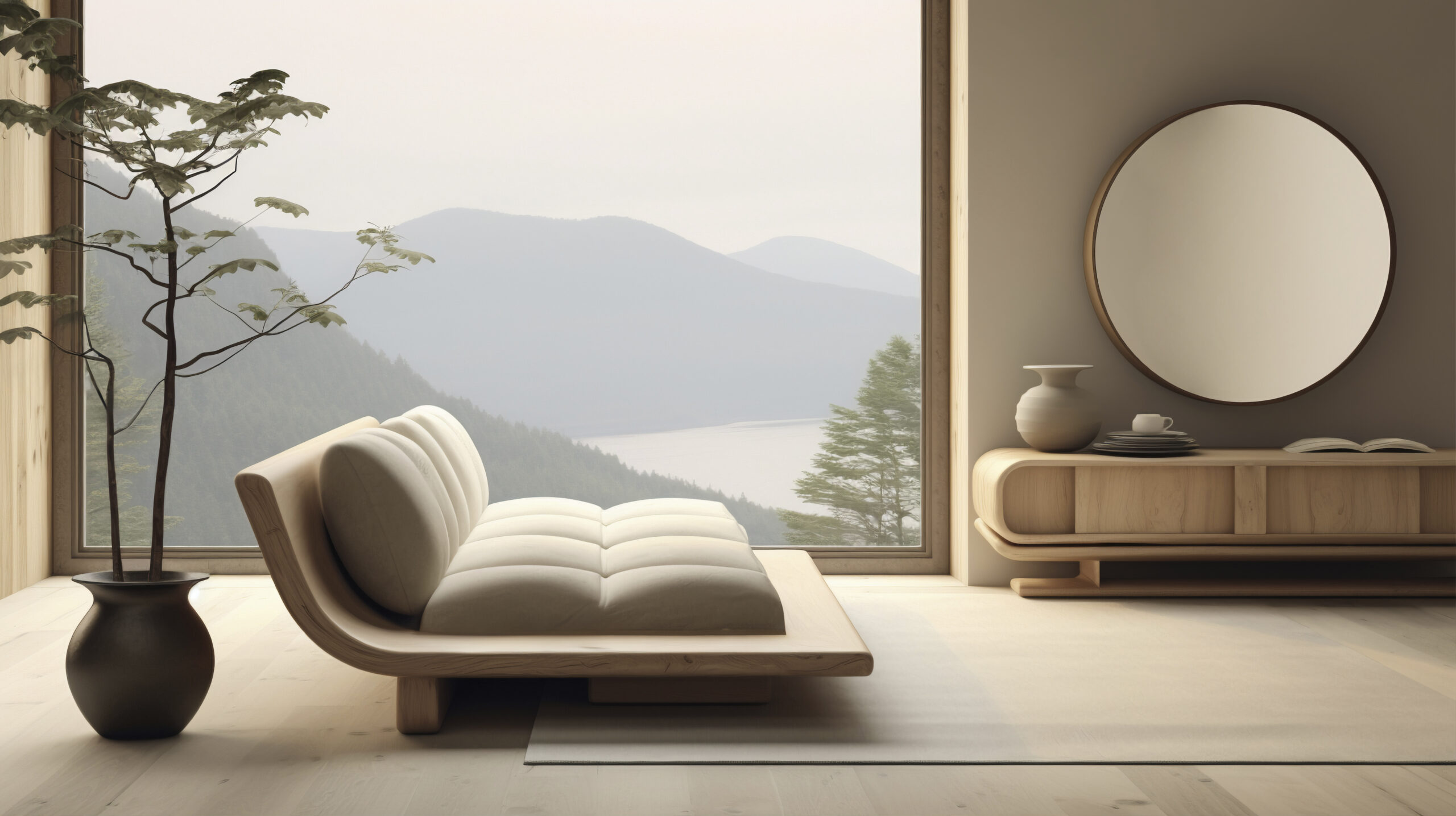
1. Warm Neutral Colour Palettes
Minimalist interiors are moving away from stark white and embracing warm beige, taupe, and muted creams that create the perfect soothing backdrop.
2. Hidden Storage and Clean Lines
Furniture with dual purposes, sleek cabinetry, seamless finish, and clutter-free layouts will continue to dominate minimalist homes.
3. Natural Textures and Materials
A shift toward authenticity brought in natural, tactile materials like wood, cane, stone, linen, and aged bronze in minimalist house design.
4. Soft Curves and Rounded Edges
Expect furniture to have round edges, curved sofas, rounded tables, and fluid decor shapes that elevate contemporary minimalist design.
5. Functional Zoning
Instead of multiple rooms, homeowners are now using open plans with rugs, tapestries, and screen dividers that define various zones. It helps in creating an open, airy atmosphere and maximising natural light.
6. Intentional Decor
Rather than opting for fast decor and plastic-based accessories, minimalist spaces are now curated with high-quality, sustainable pieces, such as vintage items or artisanal crafts.
Step-by-Step Decluttering Guide
Is your home drowning in clutter? Here’s a step-by-step guide on decluttering to a create a minimalistically fabulous space:
1. Start Small
Always start small and build momentum. Pick one shelf, one draw, or one category( like shoes or clothes) rather than decluttering all at once.
2. Decluttering Rules
One of the most popular decluttering rules is the KonMari Method, where you choose only items that bring you joy. Or the ‘one-year rule’ where you keep or discard items you haven’t used or worn in a year.
3. Sorting Into Categories
Create four piles during your decluttering process: Keep, Donate, Recycle, and Trash. This makes decisions faster even though letting go is hard.
4. Organise and Store Well
Once you’ve decluttered, focus on organising and storing the items you’ve decided to keep through functional storage solutions.
5. Make it Part of Your Routine
Decluttering isn’t a one-time event. It’s an ongoing, daily process that should be integrated in your habits and daily routines.
Budget Breakdown for Minimalist Home Decor
The budget for a minimalist interior style entails the following:
-
Furniture Choices
- Custom-made units may cost more upfront but help save space and last longer.
- A minimalist modular sofa may range from ₹30,000 to ₹1 lakh, depending on materials and brand.
-
Material Selection
- Use of natural materials like wood, bamboo, and stone.
- Premium laminates start at ₹120 per sq. ft and can go up to ₹300 or more.
-
Lighting
- Large windows, sheer curtains, sleek pendant fixtures, and recessed lighting.
- Approximate cost for minimalist lighting set up can range from ₹40,000 to ₹1 lakh.
-
Storage Solutions
- Concealed and built-in storage to maintain a streamlined appearance.
- Average modular wardrobe and seamless cabinetry start at ₹800- ₹1,500 sq. ft.
-
Colour Palette and Finishes
- Neutral shades like beige, tan, and grey dominate minimalist interiors.
- Use of textured walls or wooden accent panels increase overall cost.
- Painting costs around ₹25-₹ 100 per sq. ft. while wallpaper costs around ₹60- ₹ 200 per sq. ft.
Therefore, the total estimated cost for a minimalist interior in India is around ₹8 lakh to ₹15 lakh for an average 2BHK.
A Guide to Creating the Perfect Minimalist Home on a Budget
Although there are no actual steps to creating a minimalist home, expect changing your philosophy, here are some budget-friendly suggestions:
- Declutter First, Buy Later: Let go of unnecessary items and keep only the essential ones.
- Repurpose What You Already Own: Take a good look at what you already have and give it new life by repurposing.
- Invest in Multifunctional Furniture: Look for multipurpose furniture like an ottoman with storage or extendable dining tables that serve dual purposes.
- Opt for a Neutral Colour Palette: Using a neutral colour palette is an effective way to create a minimalist look on a budget.
- Focus on Quality Over Quantity: Spend on fewer high-quality items that will last longer instead of investing in cheap items that deteriorate soon.
- Bring Nature Indoors: Incorporating natural elements into minimalist homes is cost-efficient and maintains the organic ambience.
- Use Wallpaper for an Instant Upgrade: Investing in wallpaper serves both as a cost-effective solution and aesthetically pleasing method.
- Adopt Minimalist Storage Solutions: Purchase affordable under-bed storage, wall-mounted shelves, or storage ottomans to keep clutter at minimum.
- Adopt a Minimalist Mindset: Lastly, learn to love having less and focus more on the function of the space rather than the decor.
Room-Wise Minimalist Decor Ideas
1. Minimalist Living Room Decor
A minimalist living room design is one that archives an intentional and calming aesthetic. The steps to do so are as following:
- Pick a wall colour from the neutral colour palette– beige, muted creams, off whites, or warm browns.
- Pick subtle geometric wallpaper designs as part of wall decor.
- Clear any clutter from the room that may disrupt your sense of calm.
- Look for furniture pieces that have clean lines and dual purposes.
- Maximise natural light by keeping the windows bare or using sheer curtains.
- Accessorise the room with only a few carefully chosen decor pieces like an artwork or a ceramic vase.
- Use clever storage solutions that keep items and technology out of sight.
- Introduce soft textures like throw pillows, blankets, or a rug.
2. Minimalist Bedroom Decor
The minimalist design philosophy works beautifully in bedrooms as it creates spaces that are spacious and simple with no fuss or frills. This is how you can give your bedroom a minimalist makeover:
- You can either choose a shade from the neutral colour palette or style a slightly vibrant hue as an accent wall.
- Add some indoor potted plants to add freshness and visual interest.
- Install wall scones or pendant lights on either side of the best for ambient effect.
- Let your wardrobes and dressers fall in line with the streamlined aesthetic.
- Choose a focal point behind the headboard and style it with wallpaper, artwork, or wooden panels.
- Add texture through bedding, curtains, throws, or rugs.
3. Minimalist Dining and Kitchen Area Decor
The kitchen and dining space is as much the heart of your home as the living room. So, if you want a sleek and streamlined kitchen space, here are some tips to help you along:
- Clutter-free countertops are non-negotiable, so plan every bit of storage.
- Choose flat-front cabinetry and no-handle finishes to achieve a minimalist aesthetic.
- Add pendant lighting under dining tables or breakfast nooks to enhance the minimal space.
- Add a touch of personality with wooden accents, wallpaper backsplash, and textured surfaces.
Essential Furniture Pieces for a Minimalist Home
Furniture in minimalist interiors plays a functional and aesthetic role. Its placement, style, and purpose create the primary framework upon which the rest of the design is constructed. Therefore, it’s crucial to choose them wisely:
- A Sectional: A must-have for minimalist homes that allows you to maximise seating without cluttering the space.
- Nesting Coffee Table: Perfect for minimalist homes because of their functional and space-saving design.
- Comfortable Armchair: An armchair does not just take up much space and provides a comfortable space to curl up with a cup of coffee.
- A Platform Bed: A platform bed with a low profile and floating side units enhances the aesthetic of simplicity and open space.
- Sliding Door Wardrobe: Switch cupboards with hinges for sliding door wardrobes that maintain a streamlined appearance.
- Floor Seating: Create a floor seating with cushions or a futon that can be used as bed in the night.
- Floating Shelves: A few floating shelves can be hung around the room to display a few choice artifacts.
Materials & Textures in Minimalist Homes
Here are some key materials and textures found in minimalist homes:
- Natural Wood: Natural wood is used for flooring, wood panelling, cabinetry, and furniture.
- Natural Stone: Limestone, terrazzo, marble are used as countertops, backsplashes, and accent tables.
- Tactile Textures: Soft textiles like linen curtains, woolen throw blankets and rugs, and jute are staples textures.
- Concrete and Mineral Surfaces: Lime plaster or polished concrete are often used as bathroom floors and kitchen countertops.
- Metal Accents: Metals like brushed bronze or matte black iron are preferred as lighting fixtures, door hardware, or shelving frames.
Magicdecor’s Wallpaper Designs for a Minimalist Home
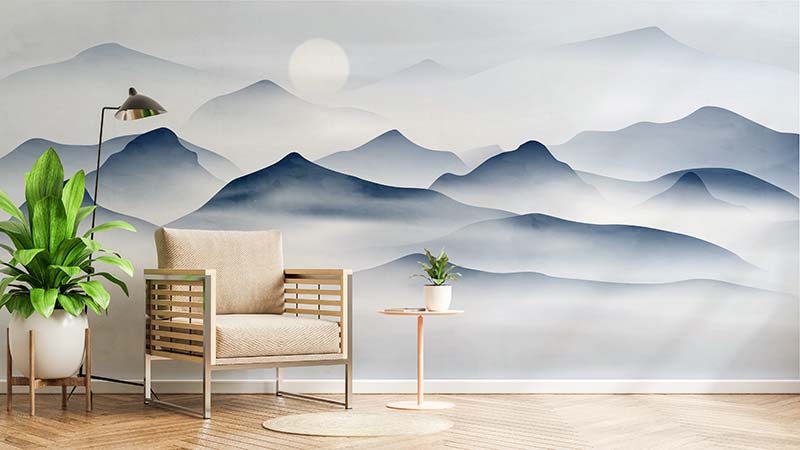
If you’re unsure what wall decor fits minimalist interiors, just go with wallpapers. They instantly elevate your space without breaking a sweat. Here’s some suggested wallpaper designs for minimalist homes:
1. Faux Wallpaper
Textured wallpaper surfaces that mimic concrete, grasscloth, or brick add warmth and depth to the walls without disrupting the minimal aesthetic.
2. Japandi Fusion
The fusion of Japanese simplicity and Scandinavian warmth, Japandi wallpaper designs have a nature-based colour palette with bamboo and abstract florals as designs.
3. Soft Abstract Designs
Wallpapers featuring soft abstract forms, gentle brushstrokes, and light stripes offer a gallery-like backdrop without any visual clutter.
4. Soft Gradient
Fading gently from light to dark, ombre wallpapers create a very restful and serene atmosphere, perfect for bedrooms, bathrooms, and reading corners.
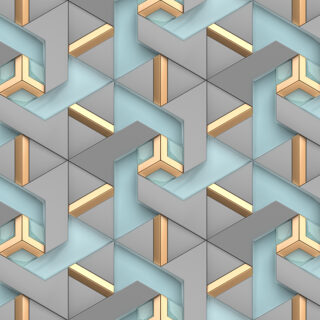
5. Minimal Geometric Patterns
Minimal geometric shapes like chevron, herringbone, and fishbone lines offer subtle structure and symmetry to minimalist interiors.
6. Organic Flowing Forms
Designs that resemble carved stone, topographic lines, or flowing clay bring a quiet sense of movement and energy, perfect for entryways and hallways.
Expert Design Tips for a Minimalist Home
Here’s Magicdecor’s experts’ advice to perfecting the minimalist aesthetics:
- Declutter Obsessively: Before styling your home, remove any unnecessary items by following the 90/90 rule: if you haven’t used it in 90 days, you won’t in the next 90 days.
- Add Plants Anywhere You Can: A few strategically placed plants can introduce life and freshness to your space.
- Storage is Your Secret Weapon: Embrace the “now you see me, now you don’t” approach to furniture, and skillfully conceal all your storage.
- Let There Be Plenty of Light: Keep windows open and clear with sheer curtains to amplify natural light. Use pendant lights and sculptural floor lamps for evenings.
- Textures are Your Best Friend: Your minimalist can be jazzed up by mixing tactile textures such as linen throws, woolen rugs, and jute tables or chairs.
Common Mistakes People Make with Minimalist Home Decor
Some of the common mistakes that occur are:
- Choosing aesthetics and decor over the functionality and comfort of the room.
- Poor storage planning that leads to visible clutter and disorganisation.
- Not adding any personal touch or textures which results in a ‘cold’ vibe.
- Over-investing in one neutral colour with no visible contrast.
- Buying low-quality decor items instead of a few high-quality ones.
Before vs After Transformation
Before adopting the minimalist mindset approach, your home feels cluttered, visually crowded, and mismatched with no proper interiors style. Some furniture pieces may lack purpose while some may be insufficient.
After embracing minimalist design, the same space feels airy, open, and intentional. Every piece has a purpose, clutter is minimised thanks to smart storage, and a perfect mix of neutral colours and textures bring warmth to the space.
Minimalist Home Decor Checklist
Here’s the final home decor checklist to bring you closer to a minimalist home:
- Choose a neutral colour palette
- Let in plenty of natural light
- Opt for multifunctional furniture with storage
- Focus on quality over quantity
- Add warmth through natural materials and textures
- Make decluttering a part of your daily routine
- Add personal touches without overcrowding
FAQs
- What are the colours of a minimalist home interior?
Colours like beige, tan, muted creams, and soft greys are classic choices with subtle pops of muted colours for contrast.
- How to decorate my home as a minimalist?
Stick to a neutral colour palette, choose multifunctional furniture, reduce visual clutter, and focus on quality over quantity.
- Is minimalist home decor suitable for small Indian spaces?
Absolutely! Minimalist decor works especially well in small spaces and apartments as it helps maximise space by focusing on decluttering and functionality.
- Do minimalist homes always have to follow neutral colour palettes?
No, while neutral colours dominate the style, you can include subtle colours or accents as long as the overall look remains clean and visually balanced.




 Material Preview
 Digital Snapshot
 Design Selection
