








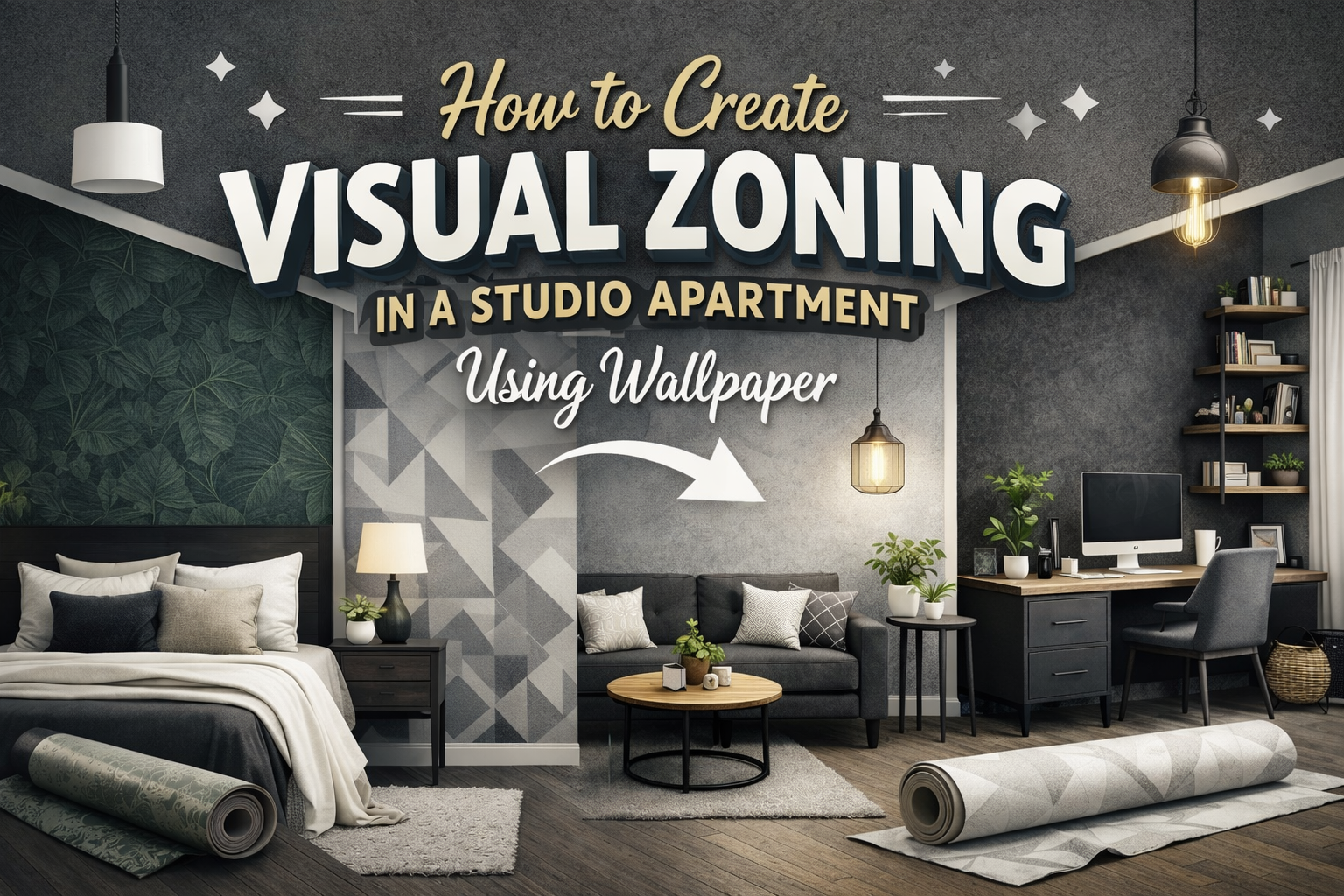
In a studio apartment, the problem is never the lack of space, it’s the lack of boundaries or dividers. Creating visual zoning means giving your studio apartment clear identities using furniture placement, rugs, lighting, colour changes, or shelving instead of solid walls.
This is very important in Indian studio homes, where the same space often shifts from morning chai corner to work zone to sleeping area by night. When everything in the room is visible at once, the room can feel cluttered and lack differentiation.
Therefore, visual zoning helps bring organisation to the open floor layout, helping each and every zone feel purposeful. To know more about how to do that, continue reading this blog till the end.
What Is Visual Zoning in Interior Design?
Visual zoning refers to strategically placing design elements like furniture, colour, lighting into distinct areas without the need for physical walls. This technique enhances movement, flow, and aesthetics in layouts like open floor plans or studio apartments.
Rather than allowing the room to be one large, singular space, zoning helps distinction, allowing every space to have defined purpose while also looking cohesive.
Key Characteristics of Visual Zoning
The key characteristics of visual zoning are:
- Furniture Placement: Using items like sofa, shelves, rugs, or desks to separate different activity areas.
- Colour and Materials: Employing paint or wallpaper in different colours to signal a change in area.
- Lighting: Use different types of lighting such as pendant, task, or ambient great helps define zones and create a distinctive atmosphere.
Why Visual Zoning Matters in Indian Studio Apartments
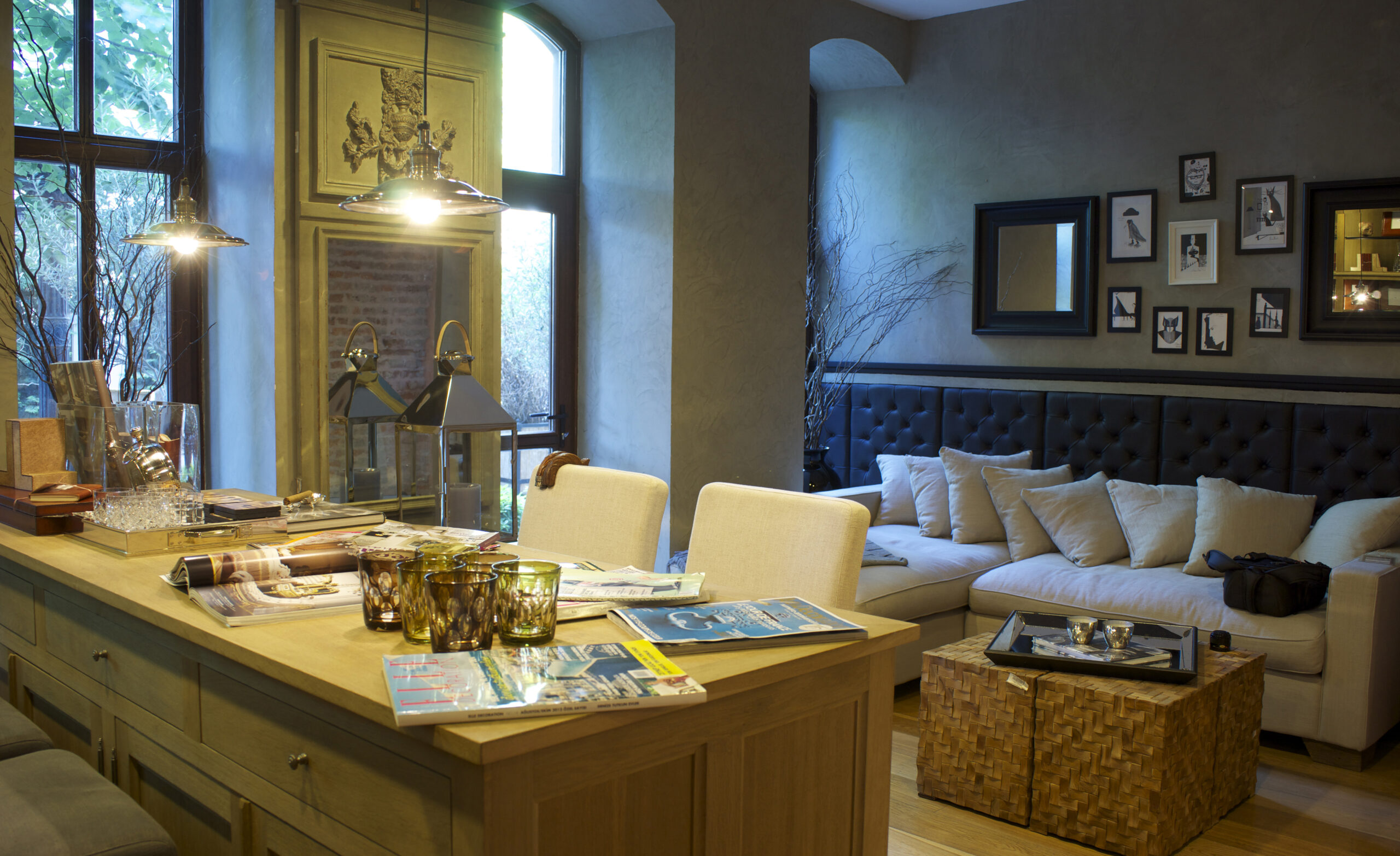
Open floor plans or studio apartments are becoming increasingly popular in modern Indian homes. Here’s why visual zoning them is important:
1. Functionality
Visually zoning your studio apartment ensures that every space has its own definitive purpose, allowing the use of the space for its intended activity while also reducing clutter.
2. Ease of Movement
The core importance of zoning a studio apartment is to make natural and purposeful pathways for the ease of movement.
3. Aesthetic Appeal
Zoning helps divide sections of the space, making the room feel cohesive and organised rather than put together randomly.
4. Adaptability and Flexibility
Zoning allows spaces to adapt to changing needs without the need for major construction. For instance, furniture and other design elements that can be moved or rearranged depending on the activity.
How to Use Wallpaper to Create Visual Zoning in Studio Apartments?
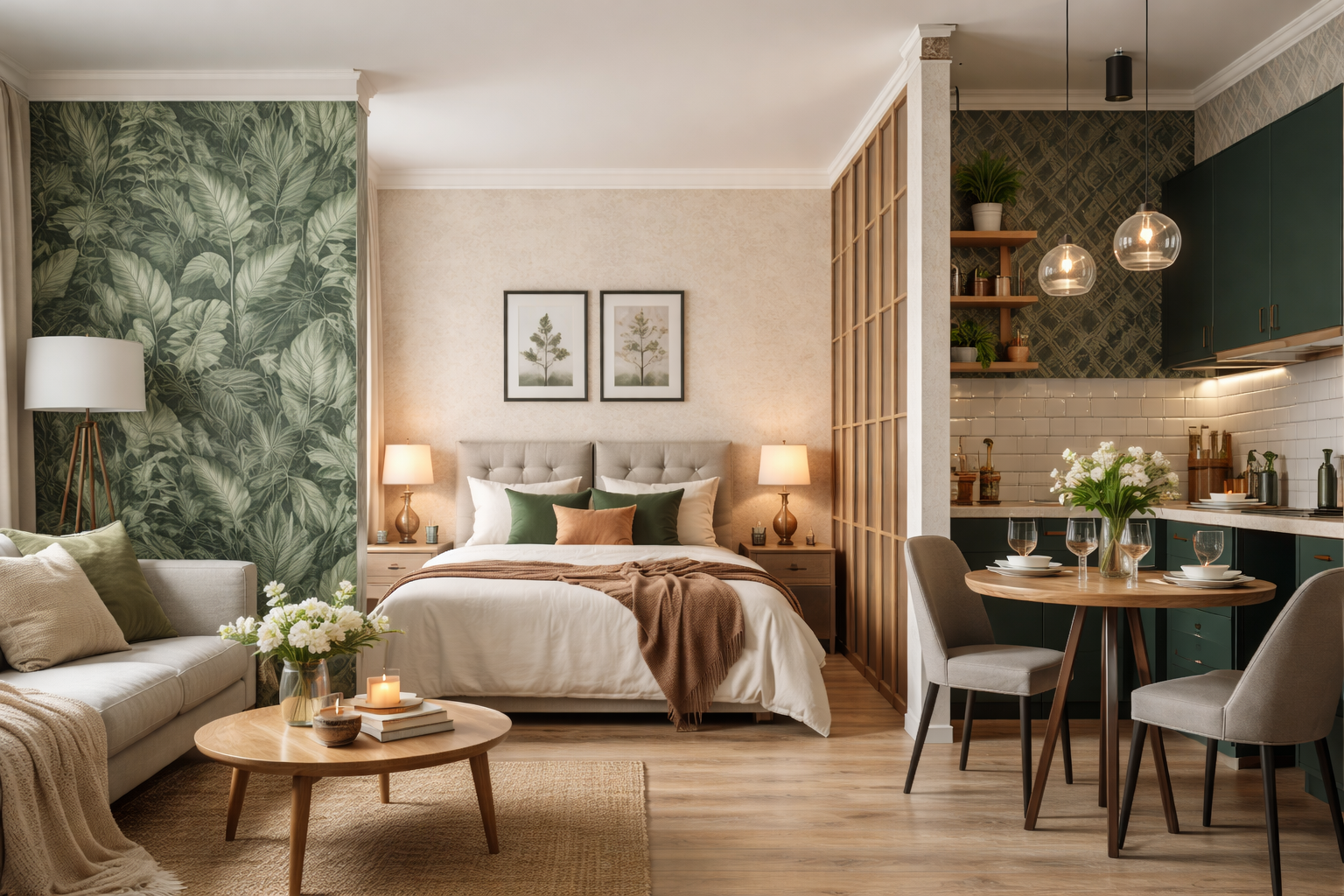
It does not matter how big or small your studio apartment is, maximising its potential to make it feel organised and functional is all that matters. One way to visually zone your studio apartment is through wallpaper. Here’s how you can define different zones in your studio apartment using wallpaper:
1. Establish a Fixed Sleeping Area
Visually zone your sleeping area by placing a wallpaper on the headboard wall and creating a cosy sleeping nook. Placing a distinctive wallpaper behind your bed not only separates the zone from others, it also provides a comforting ambience.
2. Differentiate the Living and Dining Area
In a studio apartment, the living room and dining area often merge into one. To separate these zones, use distinct wallpapers with different colours for a clear visual distinction. This separates the studio while also adding visual interest to the two zones.
3. Highlight a Functional Space
If you have a work space or a study area in the studio apartment, you can make it well-defined and inspiring by installing a wallpaper. Place a creative wallpaper behind your desk to separate the zone as well as enhance productivity.
4. Show Architectural Features
If your studio apartment has unique architectural features such as archways, columns, or niches, then emphasise them using a wallpaper. While it might be a bit tricky to install a wallpaper in these features, they are worth drawing attention.
5. Draw Eyes to Small Areas
A studio apartment is already small-scale, so why not use wallpaper to define smaller areas such as the entryway, kitchen backsplash, or alcoves to make these areas more intriguing with the rest of the zones.
Which Wall Should You Use for Visual Zoning?
To visually zone your place, use the wall that has a natural focal point, such as a fireplace, an architectural feature, or a large window. Moreover, choose a wall that has minimal doors or windows so as to not take away the focal point you are trying to create.
Best Wallpaper Ideas for Studio Apartments
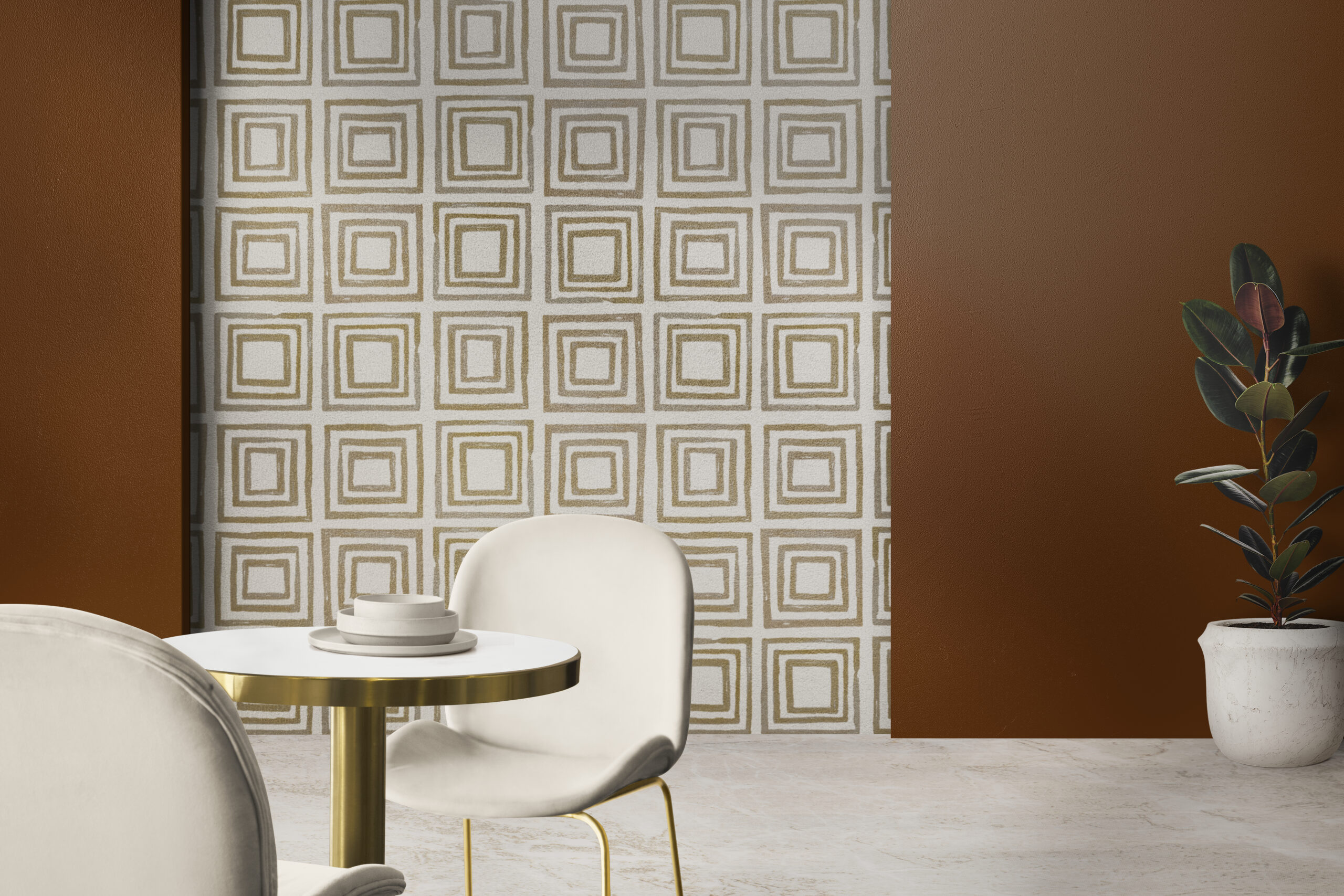
Here are some of the best and most popular Magicdecor’s wallpaper ideas for studio apartments that works well for visual zoning:
1. Vertical Stripes
Vertical stripes work wonderfully in studio apartments as it draws the eyes upward, giving the illusion of height. You can also modify vertical lines into bamboo shoots for a more personal vibe.
2. Geometric Patterns
A timeless choice for studio apartments that is sleek and sophisticated. Shapes like chevron, quatrefoil, shell motifs, or herringbone, add structure and depth to small spaces without overpowering them.
3. 3D or Textured Effect
3D or textured wallpaper patterns are great if you have a studio apartment that is expansive. Textured patterns like grasscloth or exposed brick are ideal in entryways, behind the TV, or in the kitchen or dining areas.
4. Murals and Botanicals
Picturesque landscape murals and botanical prints with soft watercolour palette visually soften your studio apartment, expand your space while also adding a statement to your walls.
Tips for Zoning Your Studio Apartment
Let’s look at some tips and strategies on how to zone your studio apartments based on various factors:
1. Zoning with Colours
You can divide your studio apartment based on colours by assigning one to different corners of your space. To make colour zoning function, you need to consider the following factors:
- What is the function or purpose of the space?
- Which colours create the best ambience for your room?
- Does your studio allow you to have a neutral colour palette or a dramatic, vibrant one?
2. Zoning with Lights
You can also zone your studio apartment based on lighting placement, here’s how:
- You can individually illuminate each zone, such as a light near your bed, one for the kitchen and one for the seating area.
- Or else you can use pendant lighting to illuminate a specific area, like over the dining table or the coffee table in the living area zone.
3. Zoning with Curtains
To have more privacy in a studio apartment, you can use curtains or tissue curtains to separate certain zones. You can place them to:
- Either conceal your sleeping area, a wardrobe, or separate the living room from the cooking area.
- You can change the fabric texture and colour depending on the season or your mood to establish boundaries in your apartment.
4. Zoning with Rugs
Rugs are not just used for their aesthetic and practical function— they help differentiate one zone from another if used correctly. They work as:
- A division between two zones, such as dividing the living room from the dining room.
- Without using any physical dividers, rugs can visually delineate a zone from another.
5. Zoning with Furniture
If you’re smart with furniture placement in your studio apartment, your space is optimised rather than sacrificed. Here’s how:
- Use open racks or shelves that can transmit light from one zone to another.
- The furniture should be arranged perpendicularly or angled to the wall plane to divide the room.
Top Studio Apartment Layouts to Optimise Space
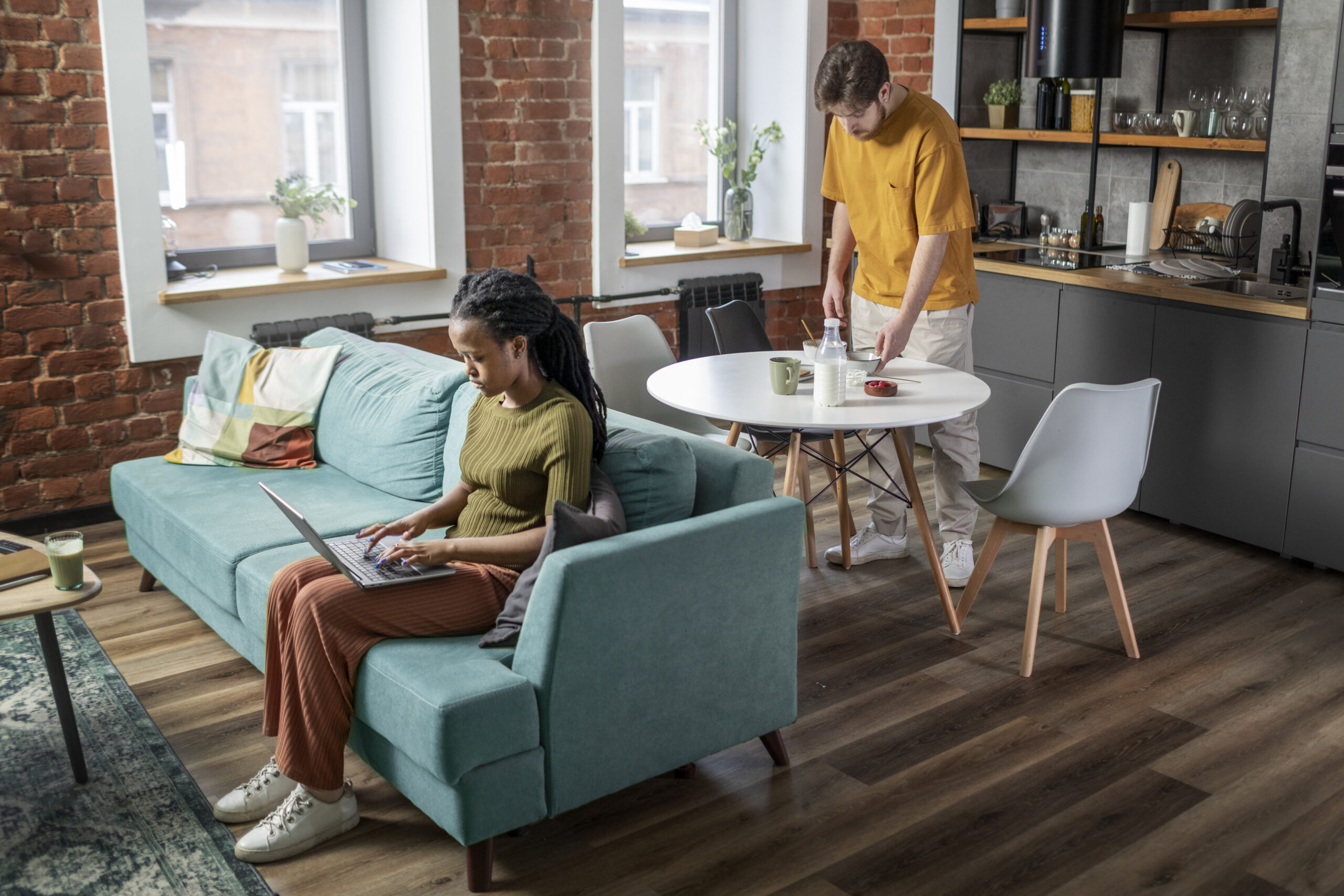
Here are some top studio apartment layout and tips to optimise space:
1. Choose Multi-functional Furniture
Be very mindful with your studio apartment design ideas as you need to make the most out of your space. You have to be clever with the layout and use of the right furniture to ensure your space does not feel cramped. Here’s how:
- Multi-functional Furniture: Every piece of furniture in your apartment should have more than one use, ideally. Choose coffee tables with drawers, beds with storage, foldable tables, etc.
- Vertical Storage: Use the entire height of your studio apartment wall and free up your floor space. Opt for tall shelves, loft beds, or wall-mounted cabinets.
2. Zone Your Space with Visual Dividers
Instead of using physical dividers like black screens, why not use visual dividers to subtly define different zones. These can be:
- Curtains: Sheer or fabric curtains can be drawn to separate your sleeping area from your kitchen or in times of privacy in the bedroom.
- Shelves That Double as Partitions: Shelves that are open on both sides can function as visual dividers, while also letting natural light through.
- Through Colour and Texture: Paint or wallpaper different sections of your apartment or employ the use of different textures to showcase which room zone ends and which begins.
Common Mistakes to Avoid
Pay attention to these common mistakes when you’re creating a visual zoning in your studio apartment:
1. Ignoring Traffic Flow
Since studio apartments lack hallways, you place furniture and other elements to distinct different zones. However, in doing so, you block pathways with misplaced furniture, leading to no movement.
2. Relying on Opaque Dividers
We agree it’s necessary to have privacy in a studio apartment but dividing zones with opaque dividers such as dark screens restricts light and makes the studio feel smaller. Instead, opt for open shelving or sheer curtains.
3. Poor Furniture Placement
If you push all your furniture against the wall or place your bed facing the entryway, you are exposing your private time. Therefore, strategically place your furniture by arranging them perpendicularly or back-to-back.
4. Overloading Patterns and Colours
The entire purpose of visual zoning your studio apartment is to create a harmonious and a cohesive colour scheme across. Overloading the space with different colours for everywhere, overwhelms the studio and shrinks it in size.
The Power of Visual Zoning in Studio Apartments
A studio apartment works best when its openness is guided and not left undefined. As we have seen throughout this blog, visual zoning helps create boundaries, allowing every zone in your apartment to coexist without stepping on each other. When done right, the studio feels lighter, calmer, and far more personal.
FAQs
- What is visual zoning in a studio apartment?
Visual zoning is a technique used to divide the space into functional areas using design elements like colours, furniture placement, lighting, textures, and shelving, without the need for solid walls.
- How do you create privacy in a studio apartment without walls?
Privacy can be created using curtains, tall shelves, tall plants, or wardrobes to block direct sightlines without closing off the space.
- What mistakes should be avoided while visual zoning?
Overloading colours and textures, relying on physical barriers, placing the furniture incorrectly, and ignoring movement flow can make the apartment feel cramped and visually noisy.
- How do you zone a studio apartment with limited storage space?
By using furniture pieces that double as storage–such as coffee tables with draws, beds with storage within, and tables that open and close to optimise space and movement.










 Material Preview
 Digital Snapshot
 Design Selection
